Access to formal markets requires enterprises that can demonstrate good practices, quality control, biosecurity, licensing and, where applicable, HACCP implementation. Under MAMAP, a diagnostic assessment was carried out among aquaculture enterprises to evaluate their capacity to meet these requirements.
The intervention started from an initial list of 17 enterprises. Available units were contacted, visited and assessed using specific checklists based on HACCP requirements, INIP requirements and licensing needs. A gap analysis was then conducted to identify what each enterprise needed to improve.
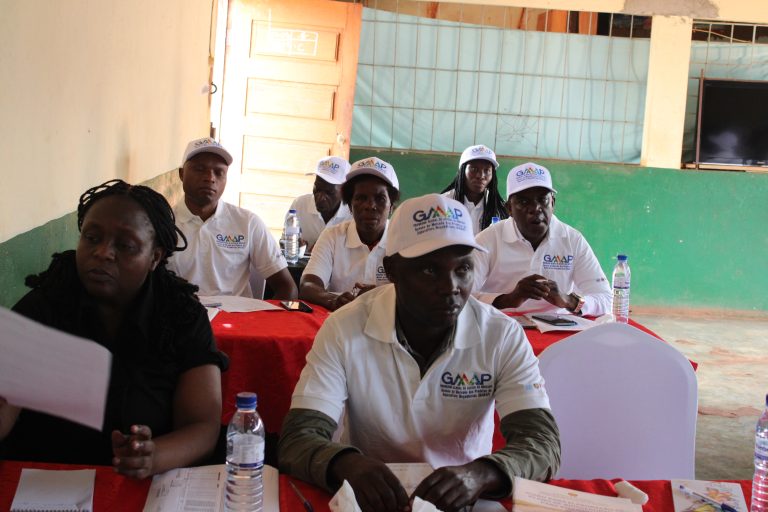
The support went beyond diagnosis. More than 40 training sessions were delivered to 13 supported enterprises, covering biosecurity, good practices, HACCP, quality, licensing and operational procedures. In total, more than 75 professionals were trained, including women and men working directly in the value chain.
Practical documents were also produced for the companies, including procedures, checklists, manuals, quality plans and implementation tools. The enterprises were grouped according to their level of maturity, infrastructure, production capacity and processing conditions.
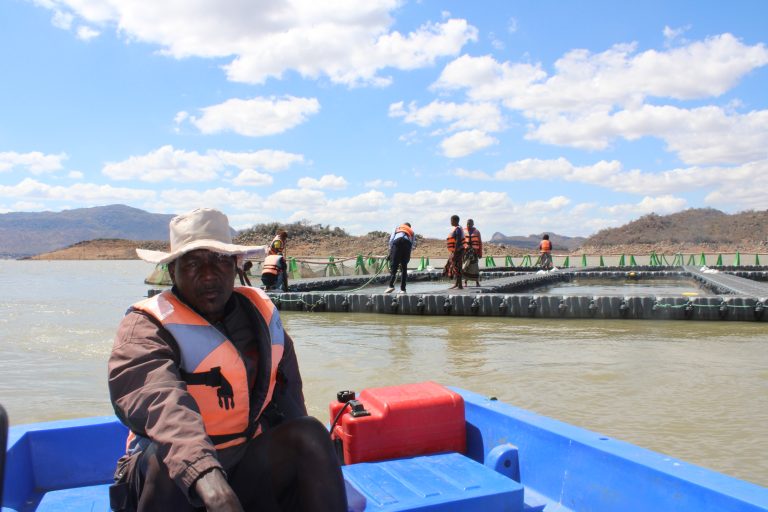
Among the most advanced companies, CIACA, Papa Pesca and Chicoa Fish Farm were highlighted. Chicoa Fish Farm progressed towards HACCP certification, showing how technical support can transform complex requirements into concrete improvement steps.
The diagnostic also identified cross-cutting challenges, including licensing difficulties, limited access to quality feed in sufficient quantities, infrastructure needs, processing capacity and the market value of certified products. The main lesson is that certification is not a single event. It is a process that requires investment, technical follow-up, operational discipline and a market that recognises the value of quality.
Watch the full video

Comments and conversation