
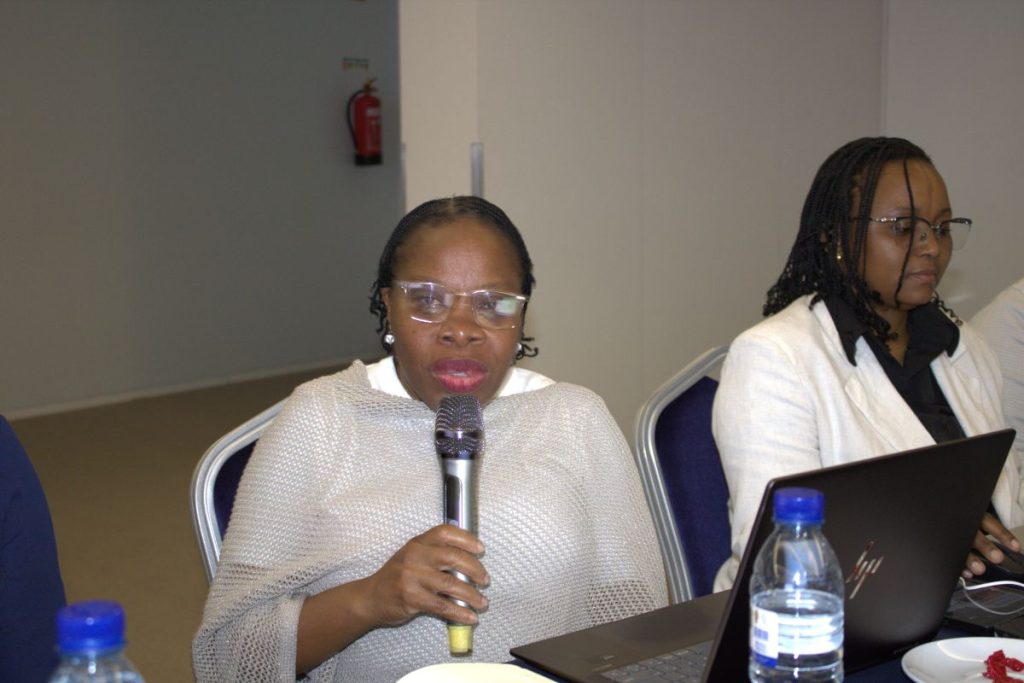
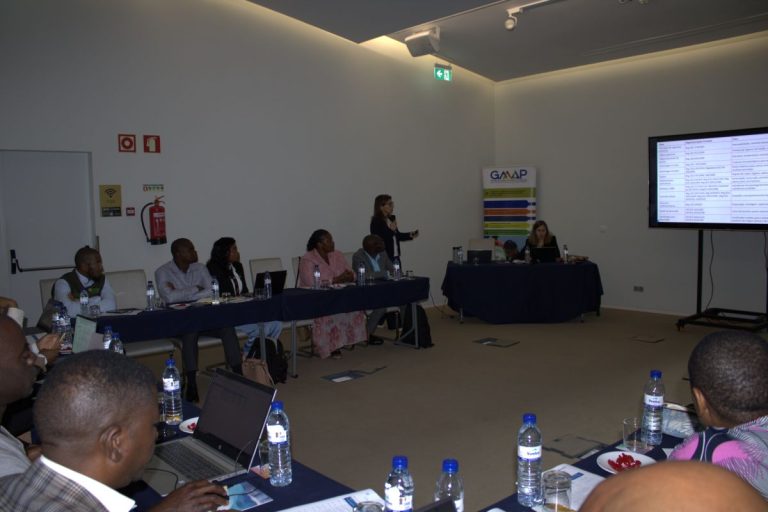
The National Institute of Fish Inspection presented Mozambique’s experience in implementing the National Residue Control Plan for fishery and aquaculture products. This is an essential function for protecting consumers, meeting sanitary requirements and keeping the country aligned with demanding markets, including the European Union.
The residue plan is a surveillance system that helps identify chemical hazards in fishery products, control environmental contaminants and hold value-chain actors responsible for the chemical safety of products intended for human consumption. In the case of aquaculture, the plan has been particularly important for maintaining aquaculture shrimp on the list of eligible export products.
Each year, INIP must submit to DG SANTE the monitoring results from the previous year and the sampling plan for the following year. This process includes information on analysed parameters, methods, equipment, acceptance limits, laboratories used and results obtained.
Priority substances for crustaceans include prohibited substances, authorised substances within permitted limits, pesticides and contaminants such as mercury, cadmium and lead. Samples must be collected, preserved and sent to accredited laboratories to ensure reliable results.
The presentation showed that monitoring analyses were carried out between 2021 and 2024, with mostly compliant results and one non-compliance reported in 2024. It also highlighted a critical challenge: Mozambique still depends on sending samples to accredited laboratories abroad, mainly in Portugal, which increases costs, time and logistical risk.
INIP highlighted important progress, including the availability of HPLC equipment, training of technicians and the arrival of reagents with partner support. The next step is to create conditions to conduct analyses in Mozambique and move towards ISO 17025 accreditation. This investment is essential to reduce external dependence, strengthen food safety and support access to higher-value markets.
Watch the full video
Comments and conversation