With ideal temperatures oscillating between 20 and 35 degrees Celsius year-round, the Majune district is described by local technicians as a “sleeping giant” for fish farming in Niassa province. However, transforming this natural potential into fish on the plate and money in the pocket requires more than just water and land: it requires sanitary security.
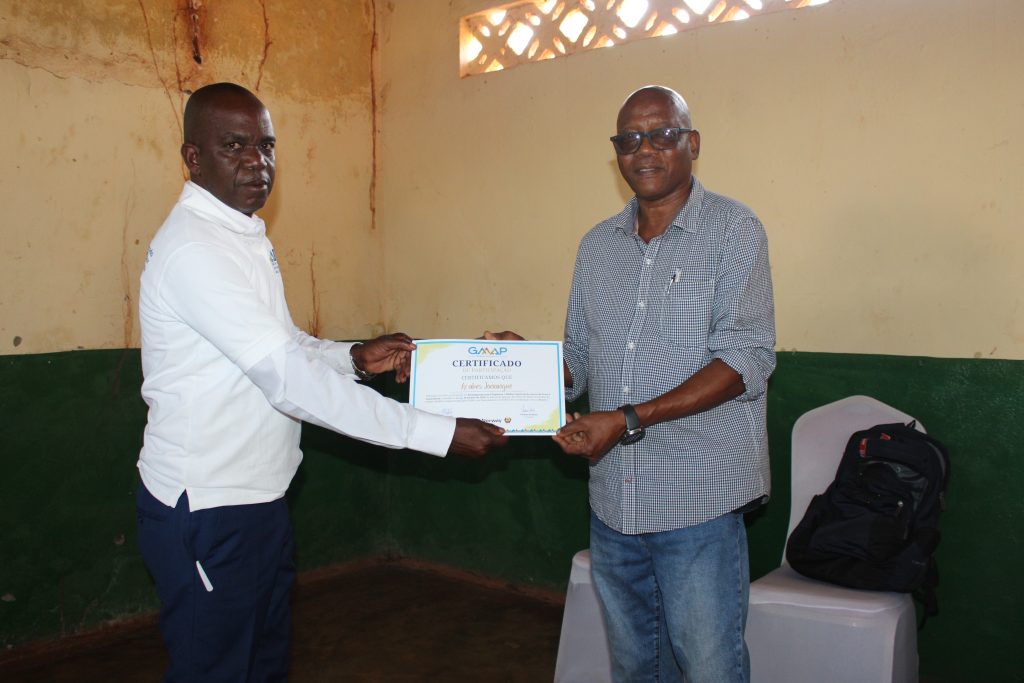
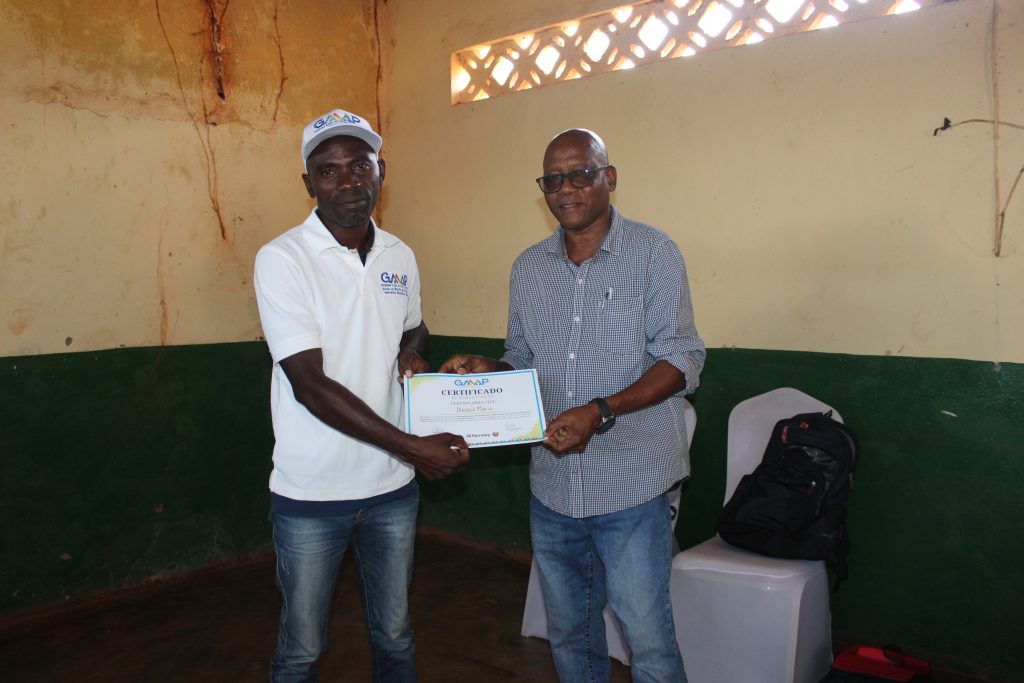
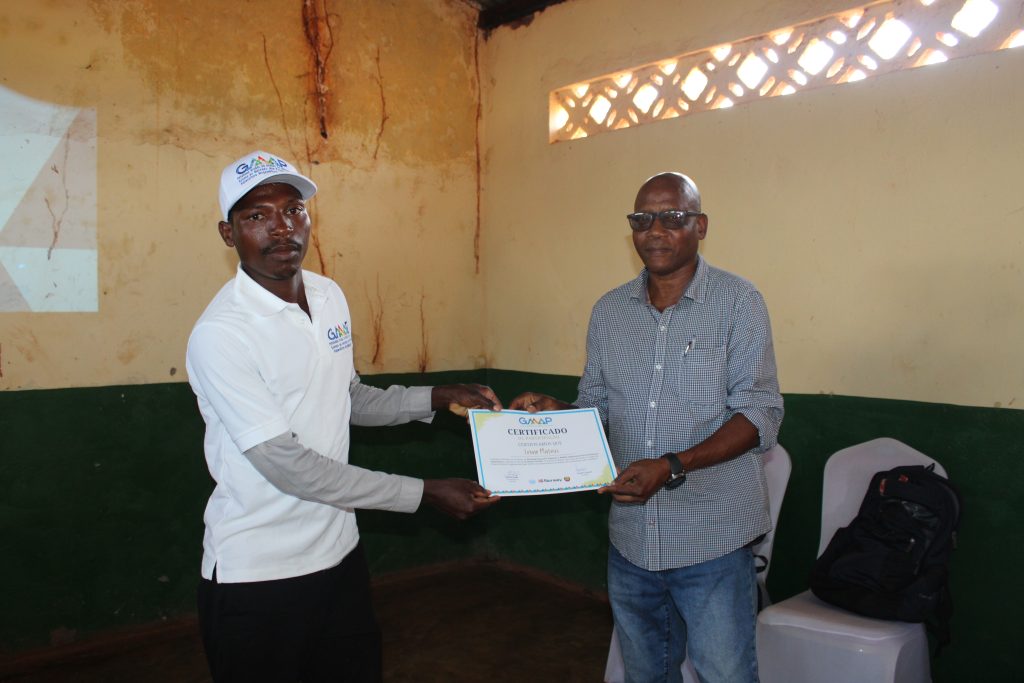
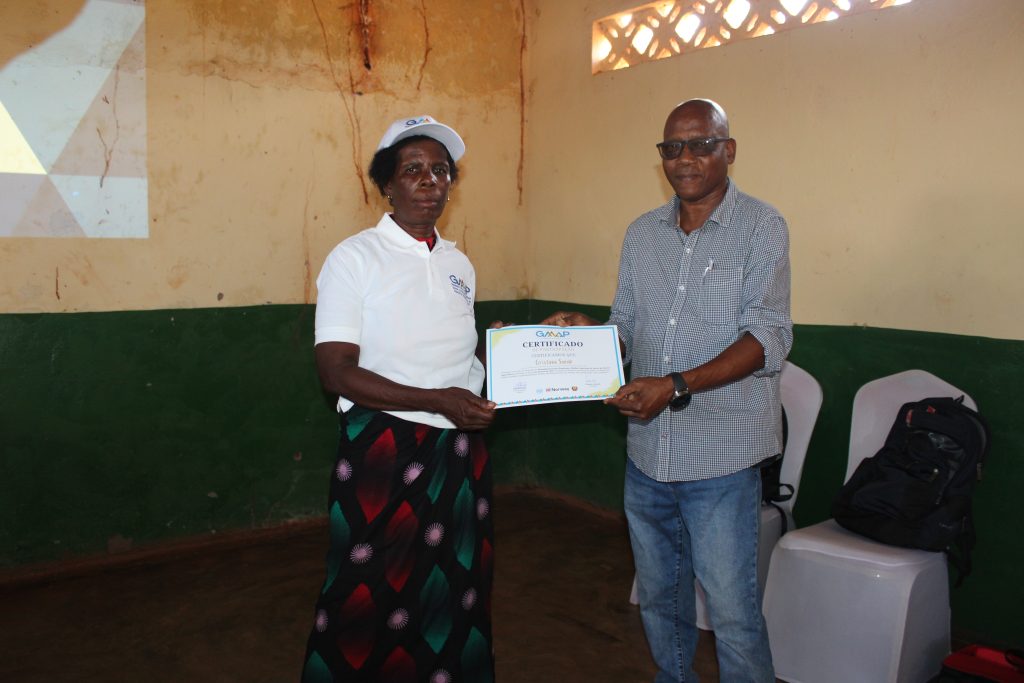
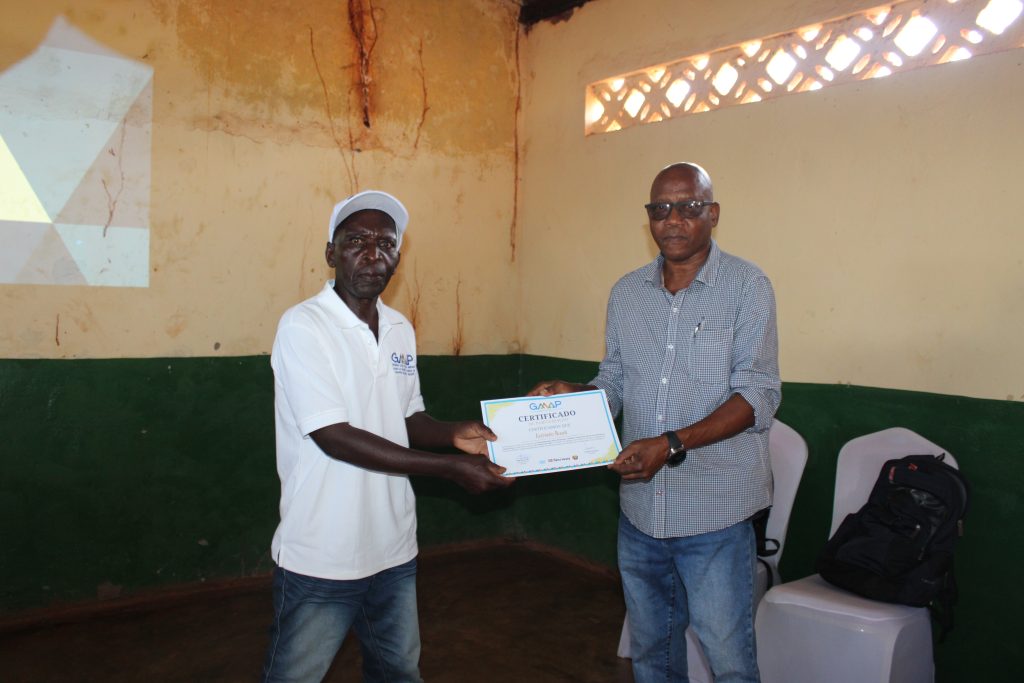
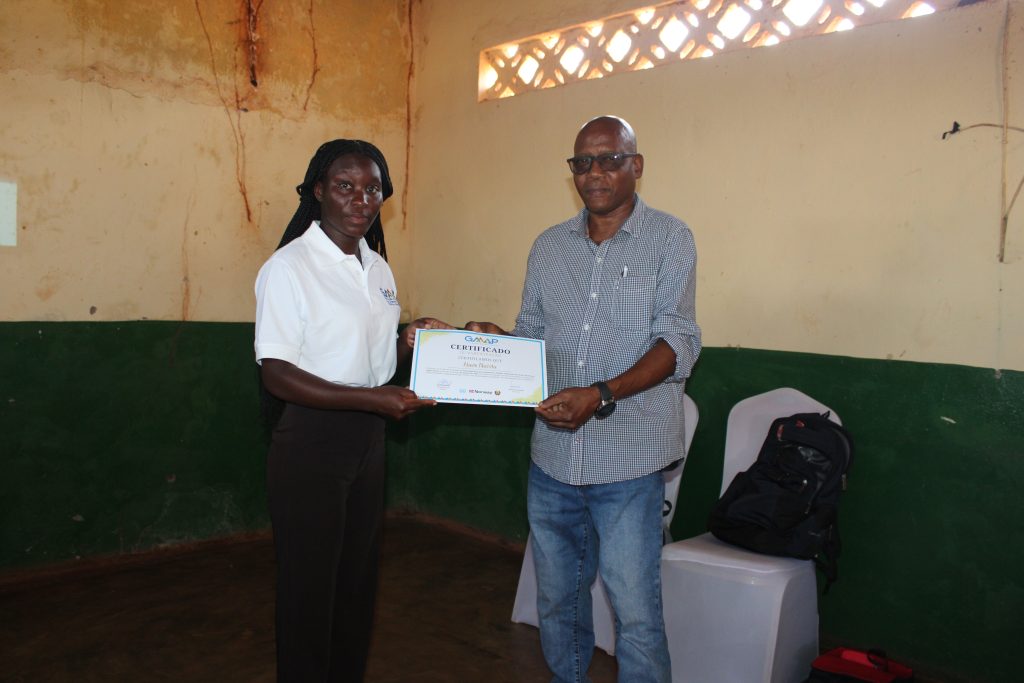
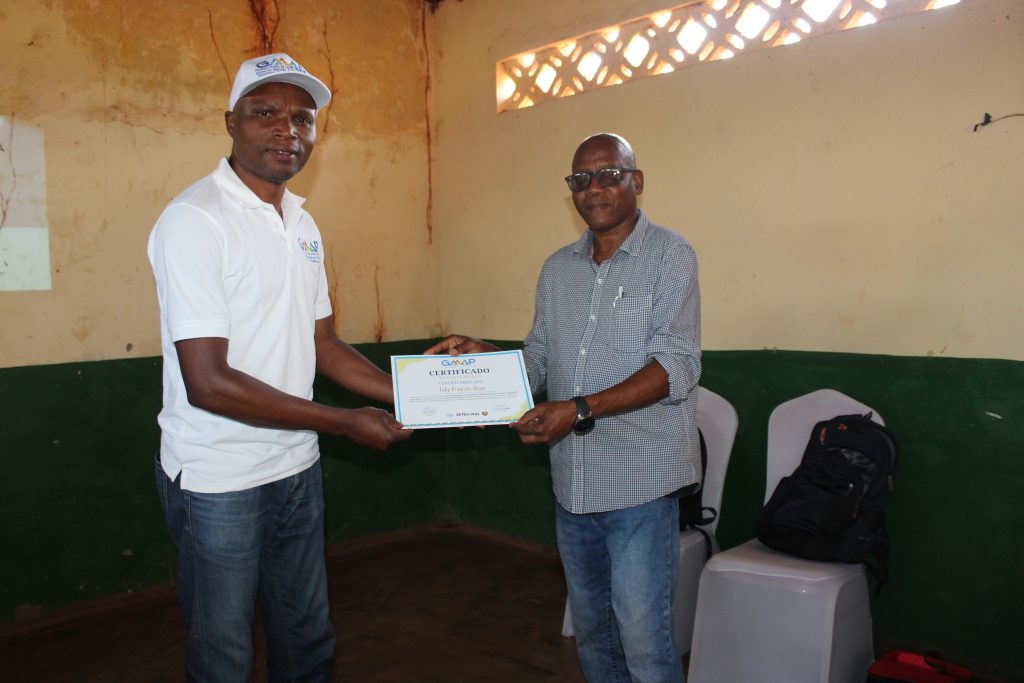
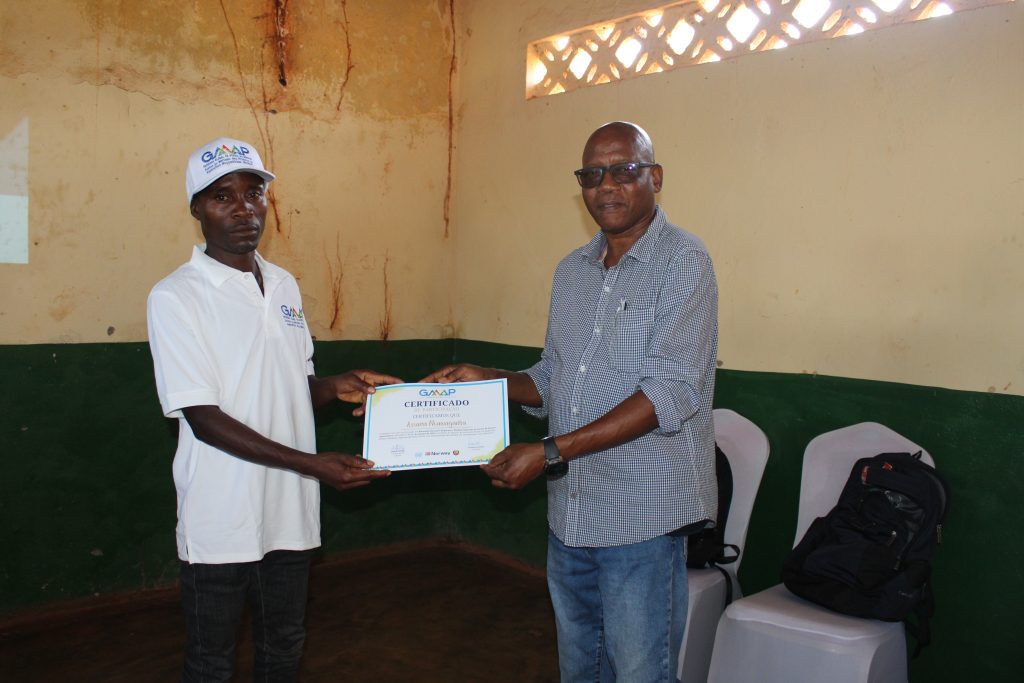
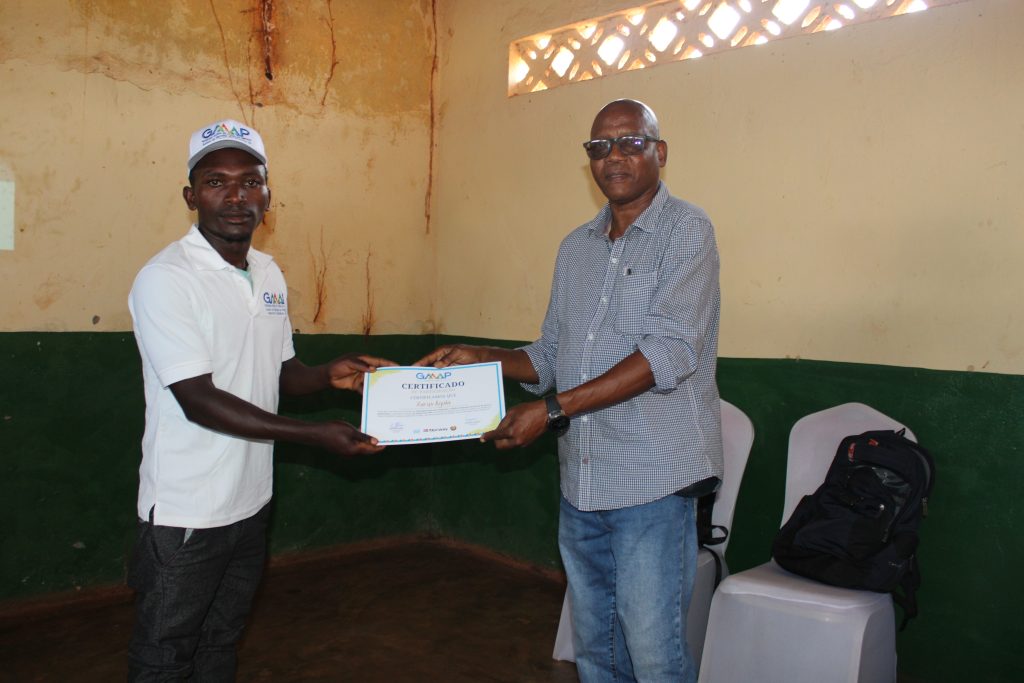
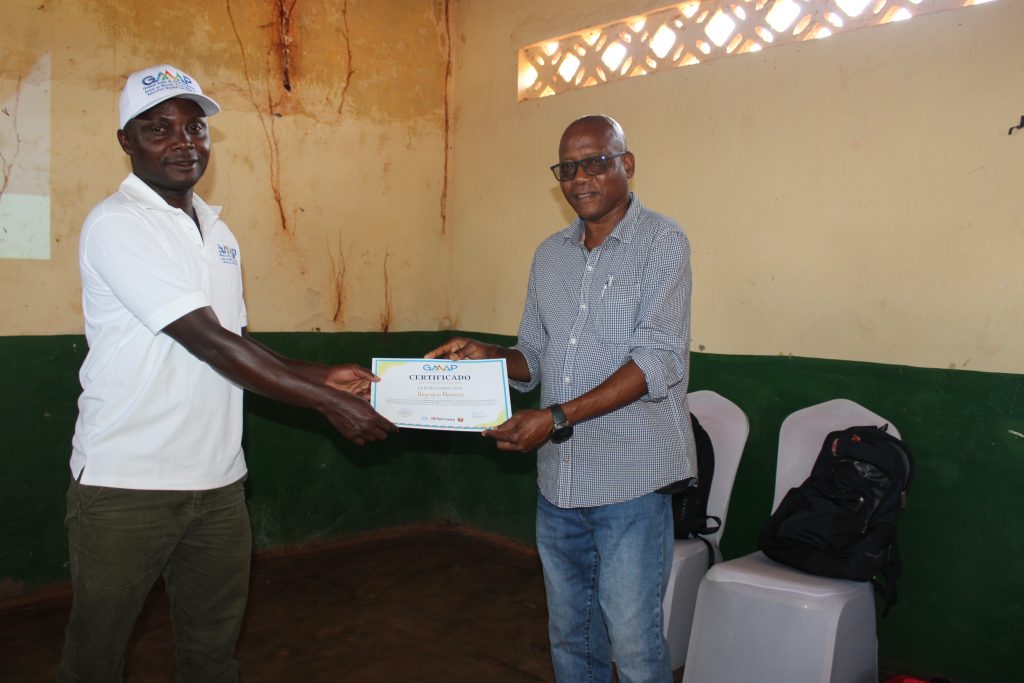
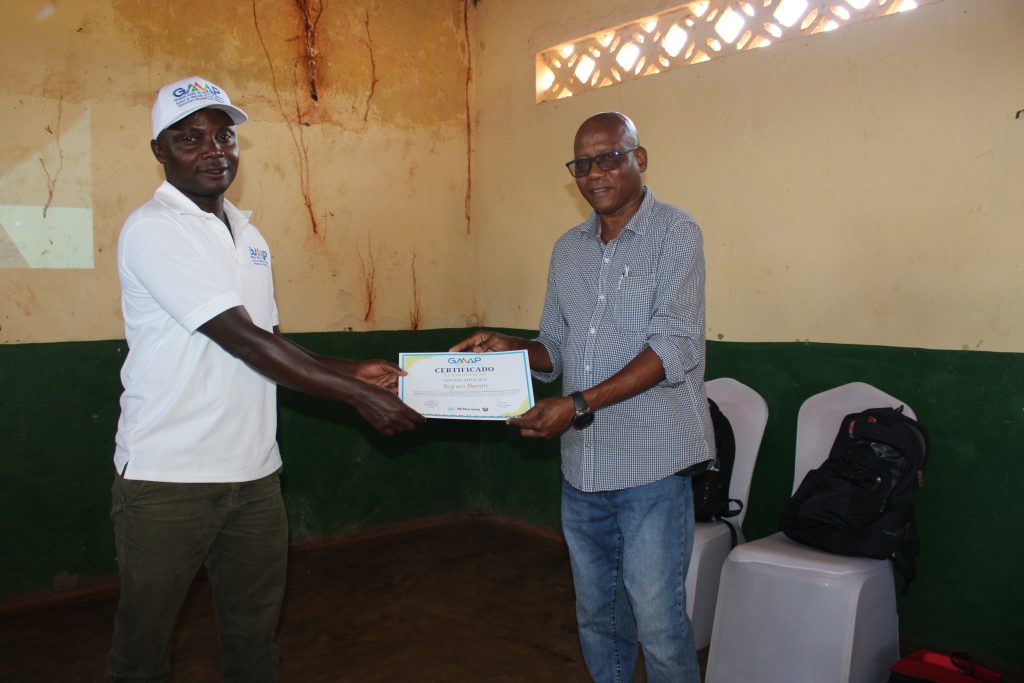
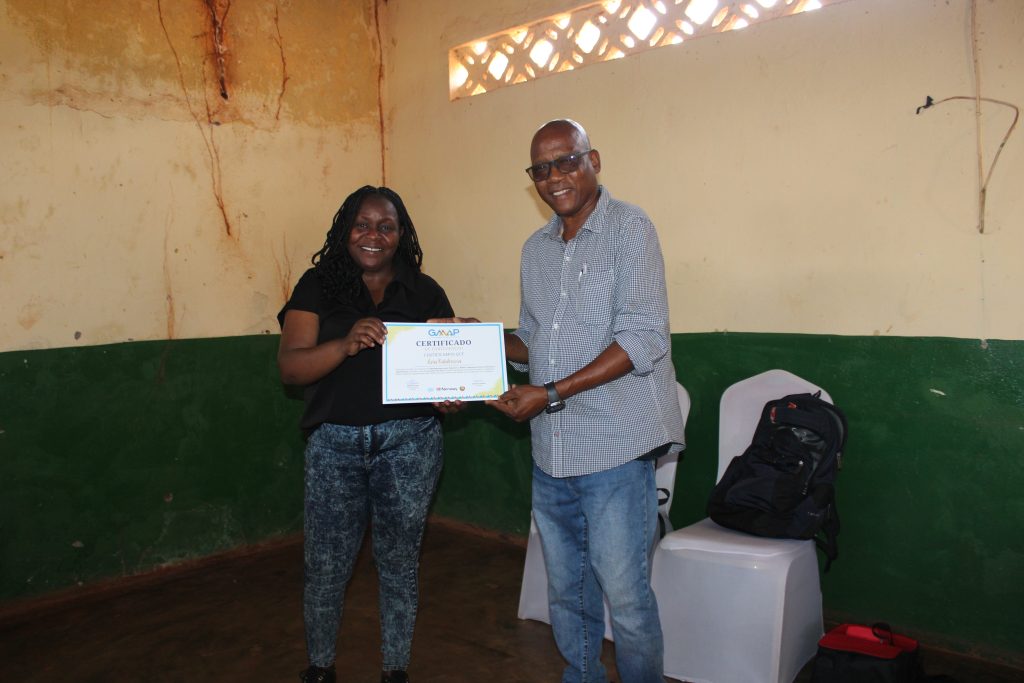
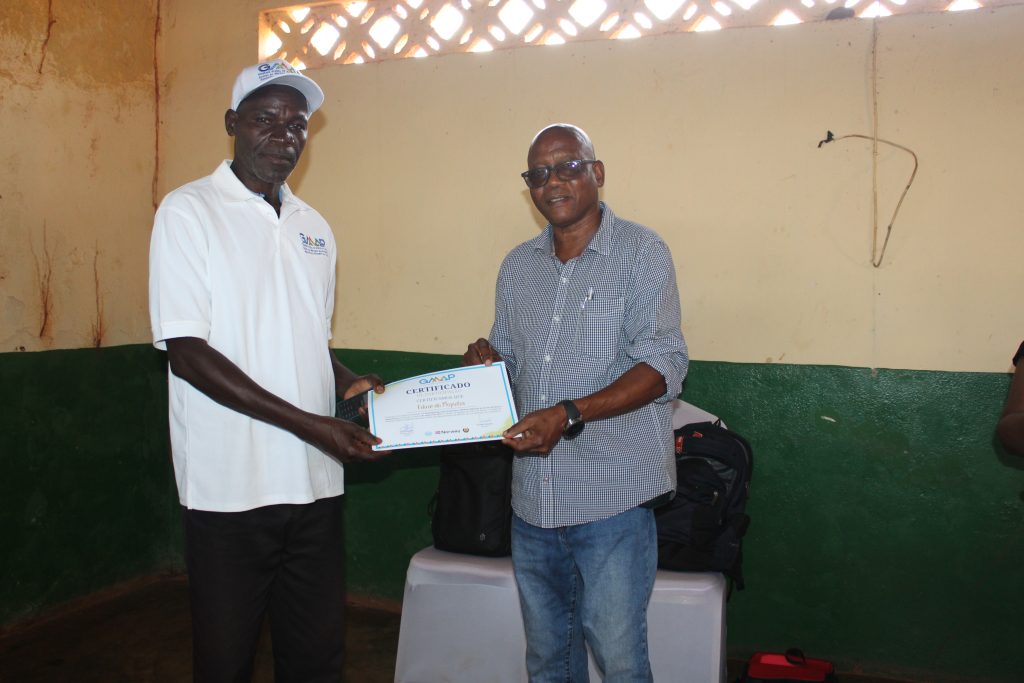
This was the premise that led the MAMAP Project (Market Access for Mozambican Aquaculture Products), funded by Norad and implemented by UNIDO, to hold a strategic training on Biosecurity for local producers on January 26, 2026.
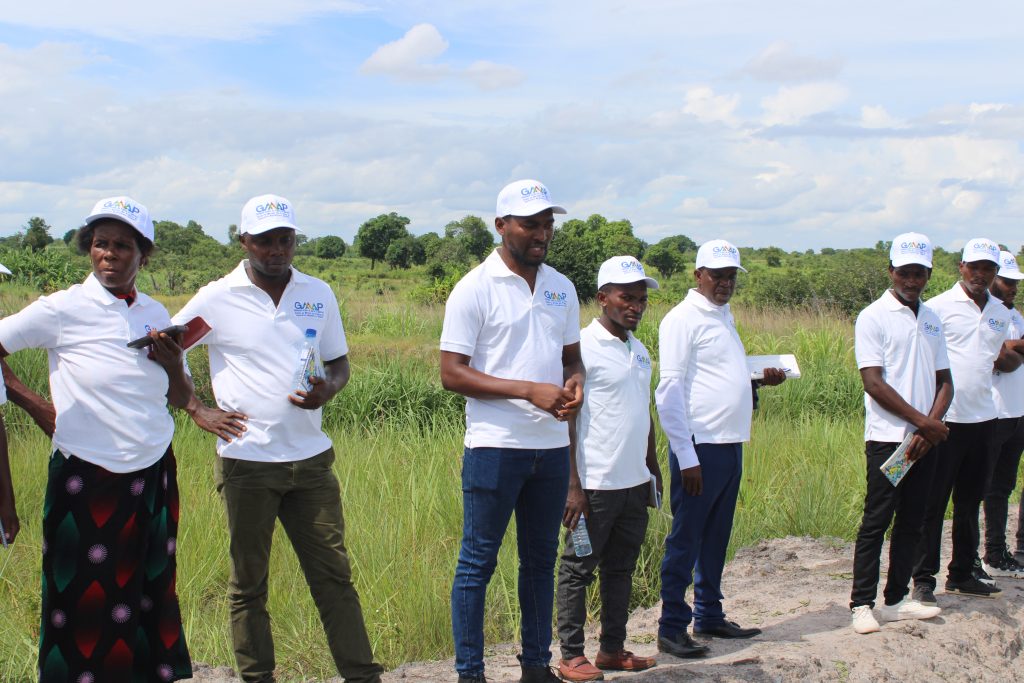
The district, which currently counts approximately 60 operational tanks, is seeking to stop depending exclusively on river fishing, where scarcity is already being felt. For Andissone Issufo, a fisheries technician allocated to the district, betting on aquaculture is the way forward, but it requires professionalization.
“Majune district is currently one of those presenting the greatest potential at the province level… and the idea is to expand further so we can have greater production and not always depend on the rivers,” explains the technician, who supports the daily challenge of introducing new technologies to the field.
From Risky Investment to Secure Planning
For the fish farmers present, the training was not merely theoretical; it served as a wake-up call regarding the management of their own capital. Many producers invest significant resources in feed and fingerlings, only to lose their harvest due to diseases or predators that could have been avoided.
Felix Ernesto Alifa, one of the participating fish farmers, highlighted that the greatest lesson was the need to stop producing “by luck” and start implementing a Biosecurity Plan.
“The success or failure of our activity depends a lot on what we commit ourselves to doing,” states Felix. “We run the risk of investing some money and losing it along the way… But if we have a biosecurity plan, then we can prevent eventual situations of diseases and mortalities”.
Felix, who left the training committed to following these measures “to the letter,” now views access control and hygiene not as costs, but as the only way to guarantee a return on investment.
Barriers Against Invisible Enemies
The training also focused on practical and immediate aspects, essential for Majune’s rural reality. Regina Alano, a fish farmer and student, learned how to combat both visible and invisible enemies.
“I learned a lot of good things, how to combat diseases as well as pests,” Regina recounts. She highlights the importance of physical barriers: “In the case of salamanders, we can place fences around the tank to prevent their entry”.
For Regina, the conclusion is clear: “Without biosecurity, our production won’t go well… we cannot have sustainable aquaculture”.
The Multiplier Effect
The impact of this MAMAP intervention promises to extend beyond the direct participants. The culture of knowledge sharing is strong within the community. Cristina Saide, another trained producer, is already planning how to disseminate what she learned.
“It will be a replication: when I get home, [I will] also inform colleagues and align the work… so that, in the years we are forecasting, we have good production,” guarantees Cristina, motivated by the technical quality of the training.
By equipping Majune with these tools, the MAMAP Project, in partnership with the Ministry of Agriculture and Fisheries, is not just teaching how to clean tanks; it is building the quality infrastructure necessary for Niassa’s fish to access more demanding and profitable markets in the near future.