Nacuxa, Nacala – Nampula Province, 28 January 2026
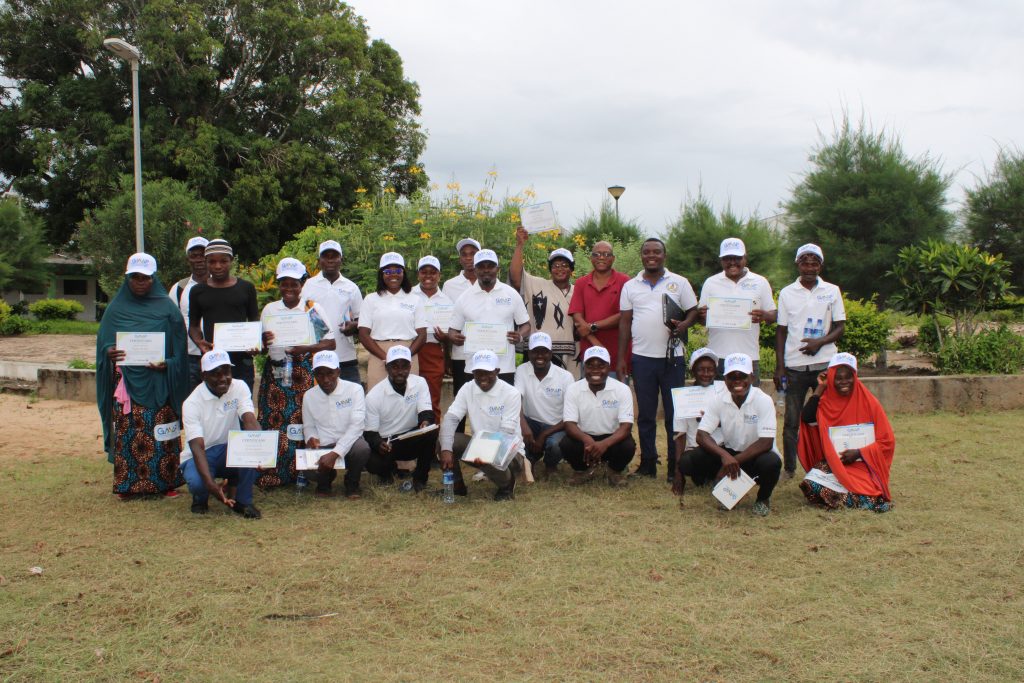
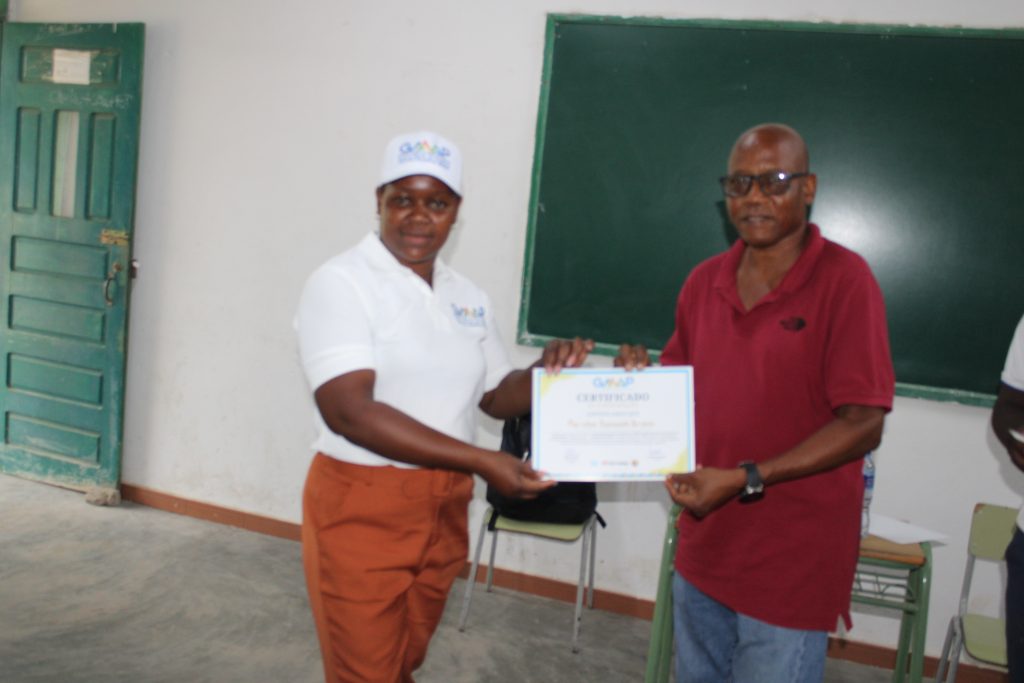
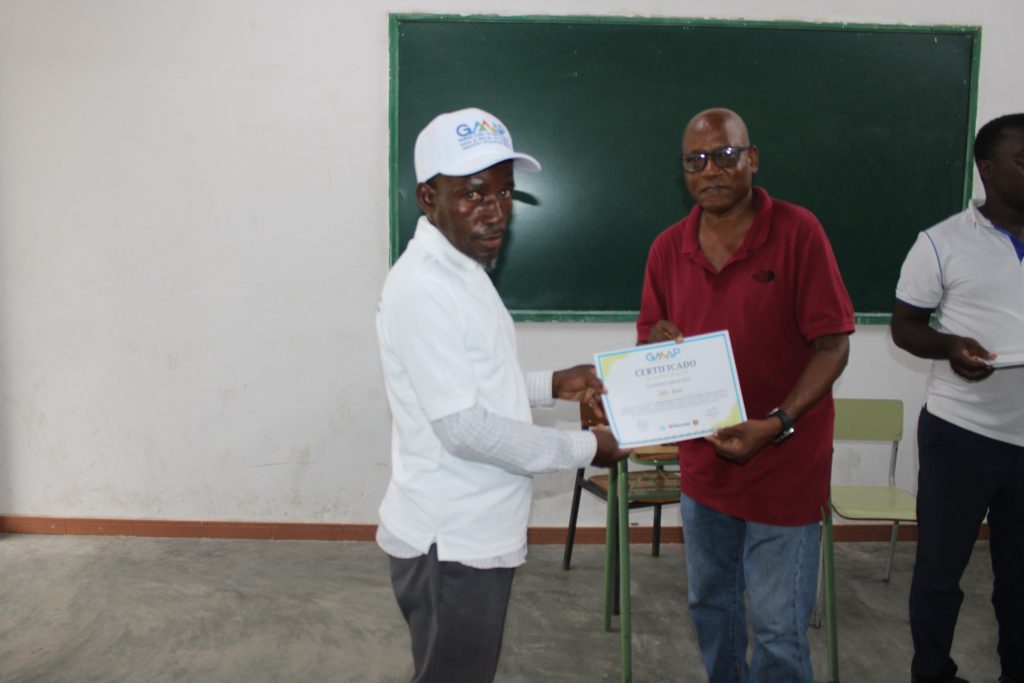
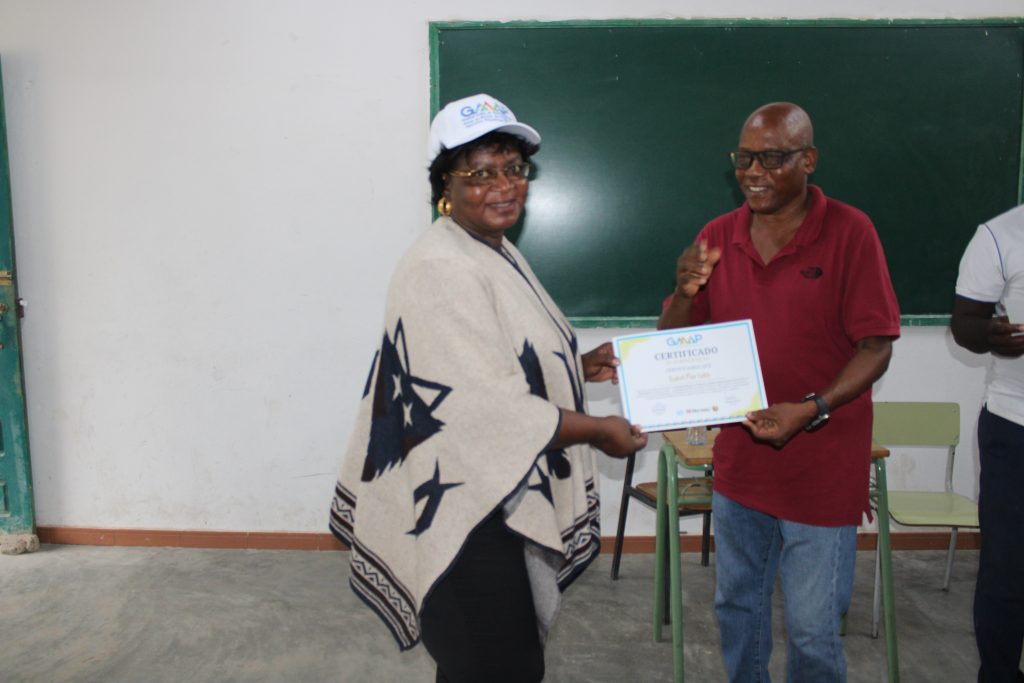
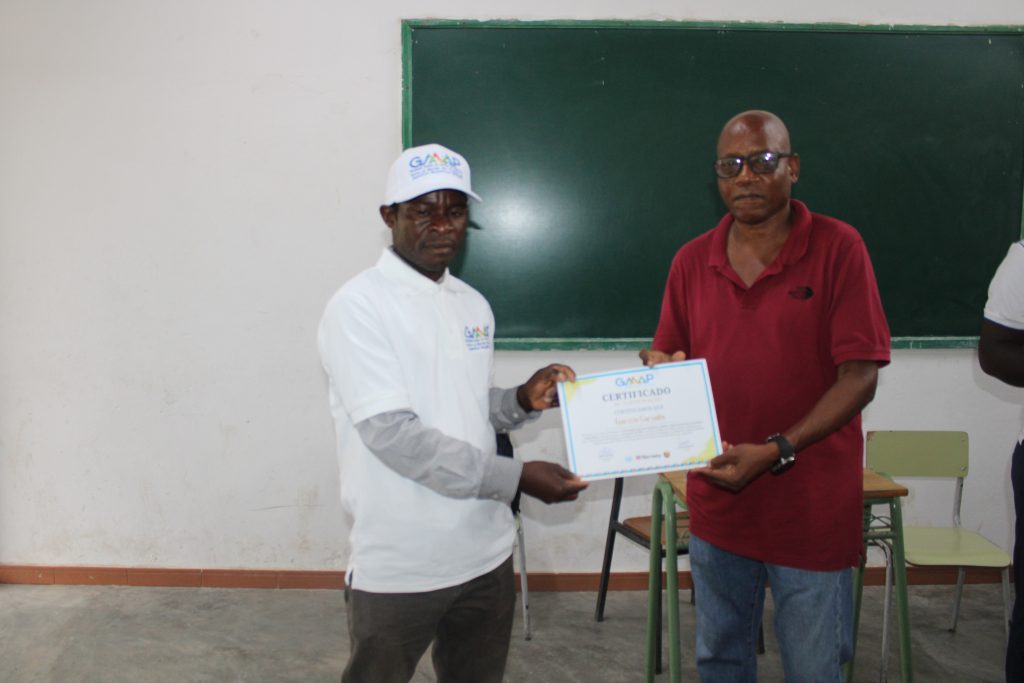
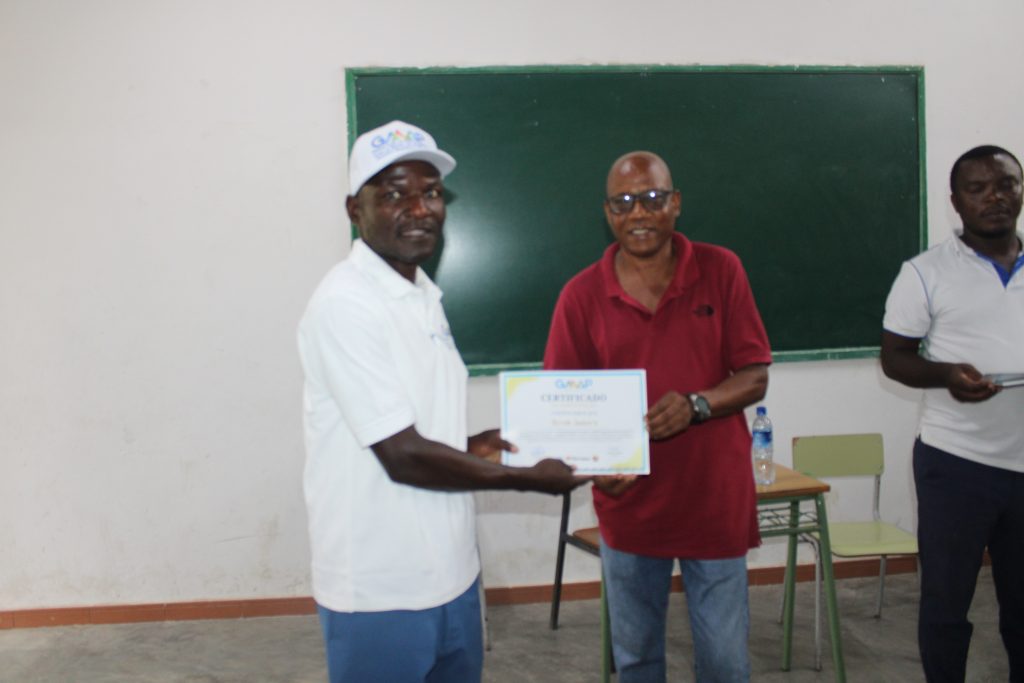
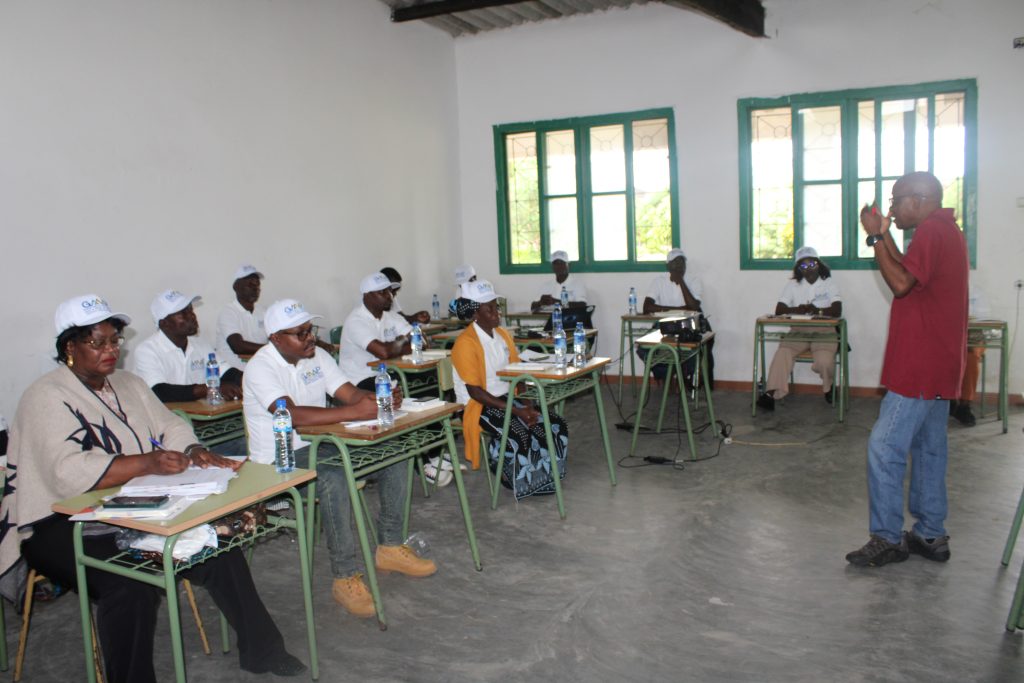
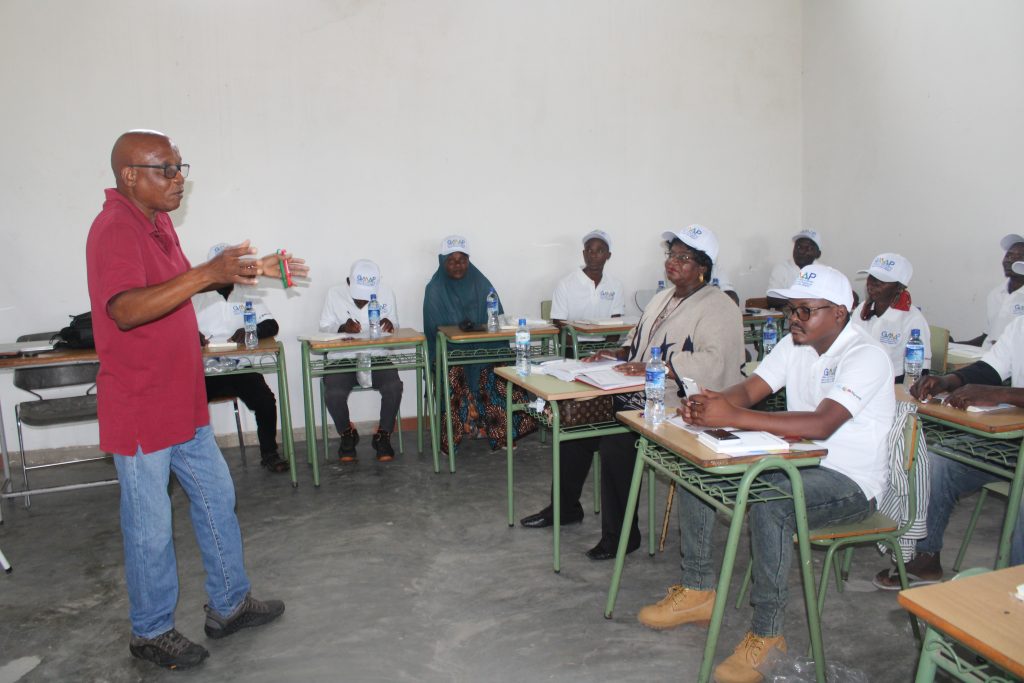
The district of Nacala hosted, recently in Nacuxa, a new biosecurity training session under the MAMAP – Market Access for Mozambican Aquaculture Products Project, implemented by United Nations Industrial Development Organization (UNIDO) with funding from Norwegian Agency for Development Cooperation (Norad), in partnership with national sector institutions.
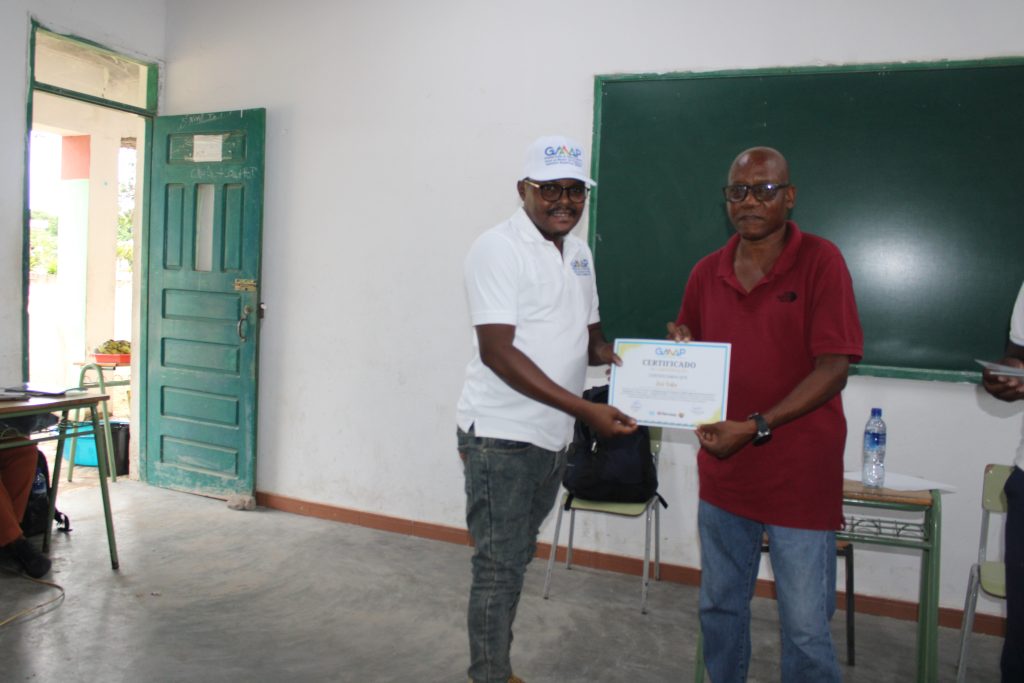
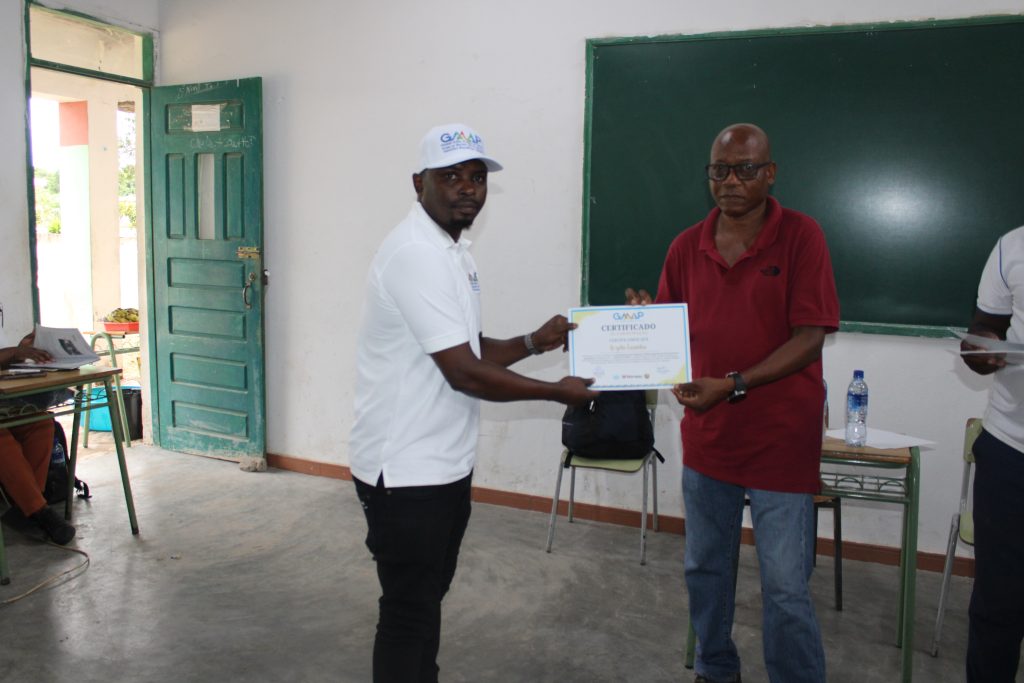
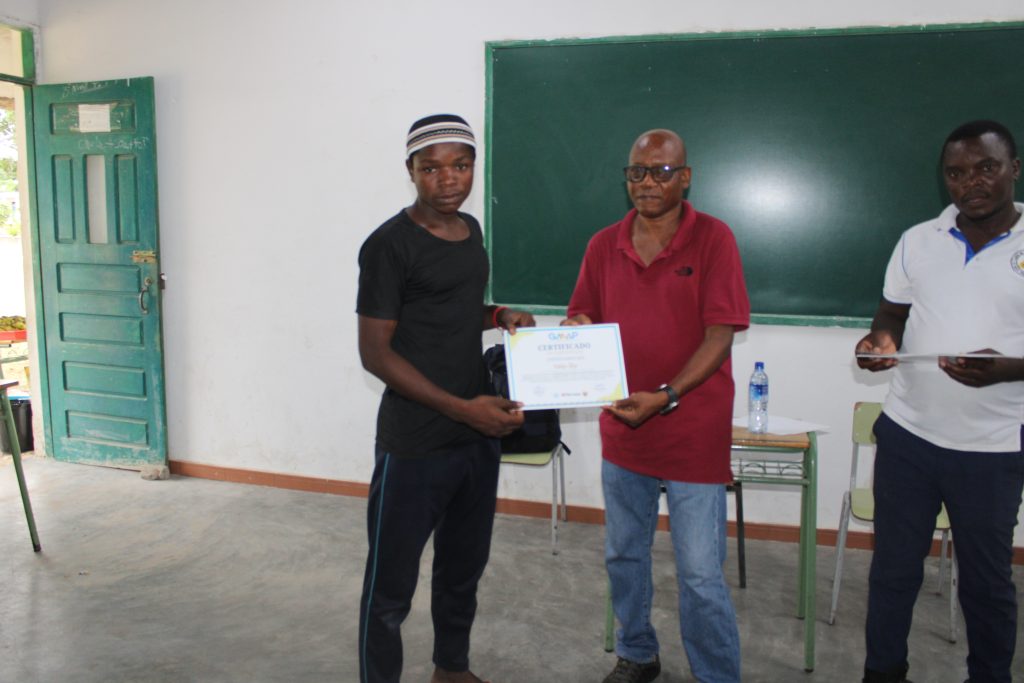
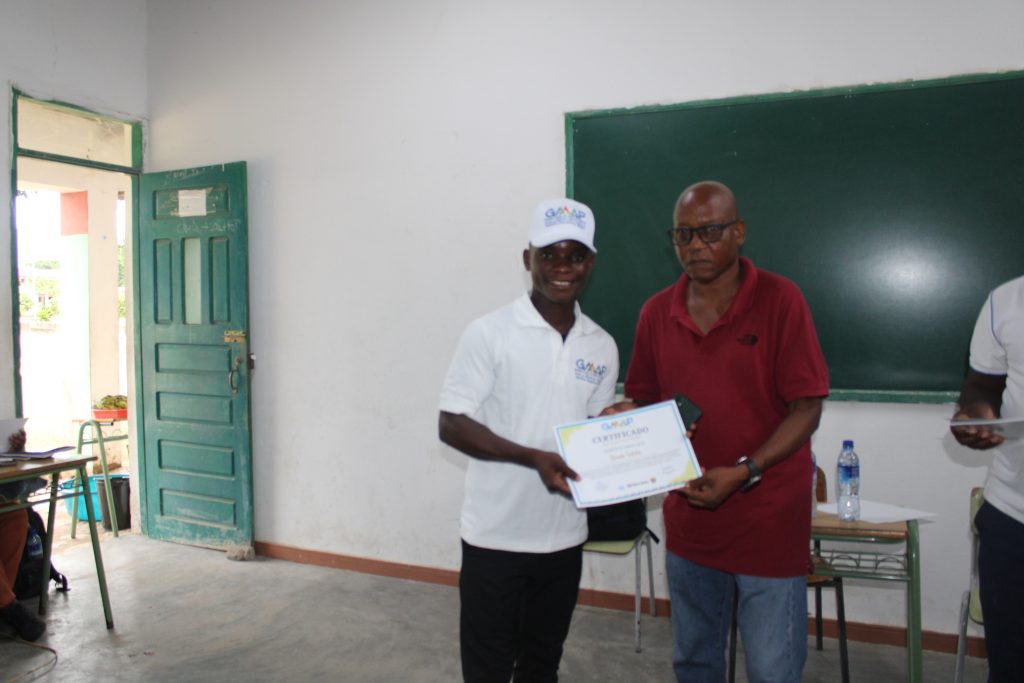
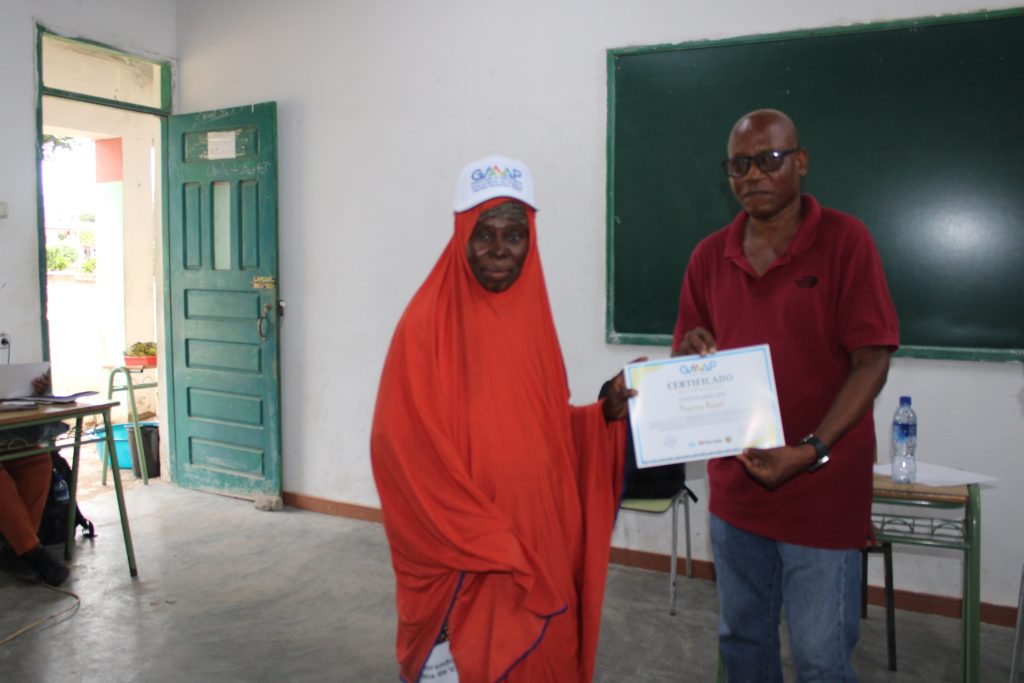
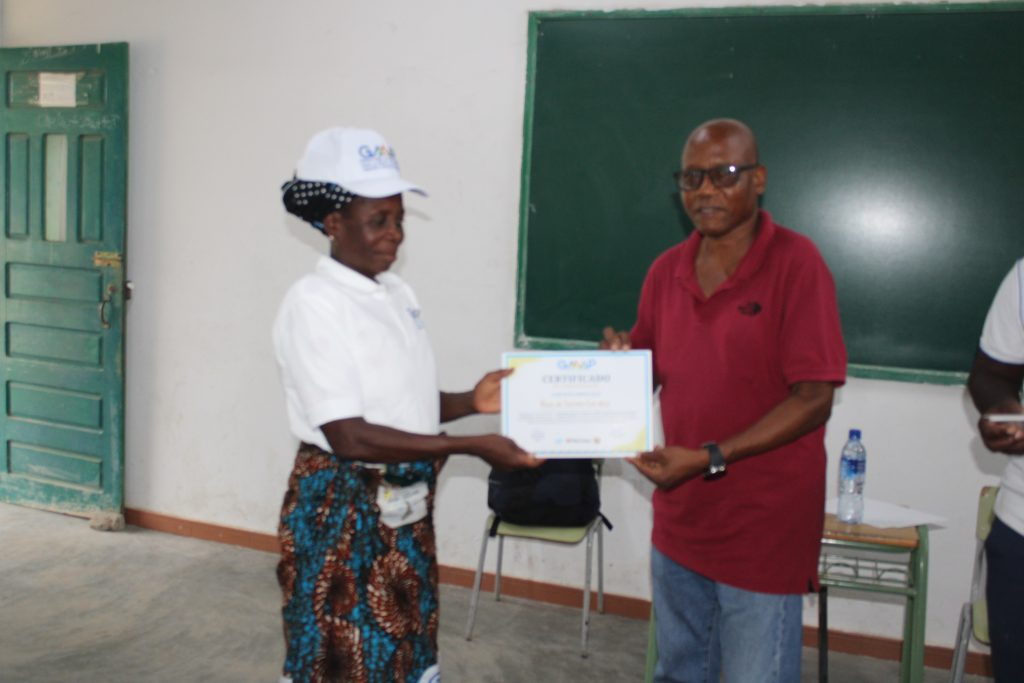
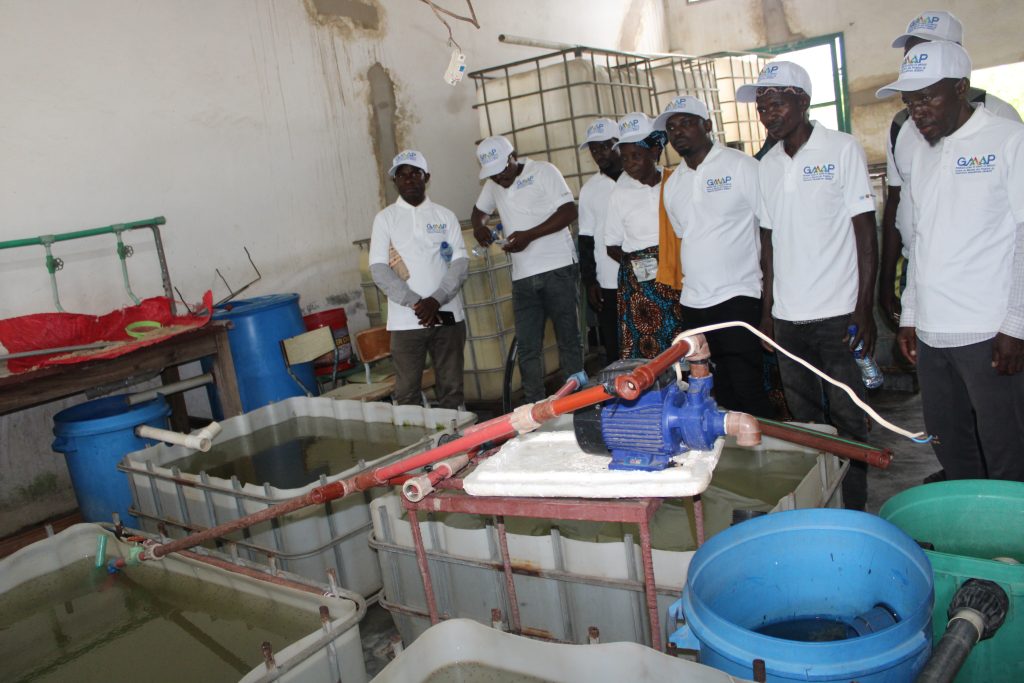
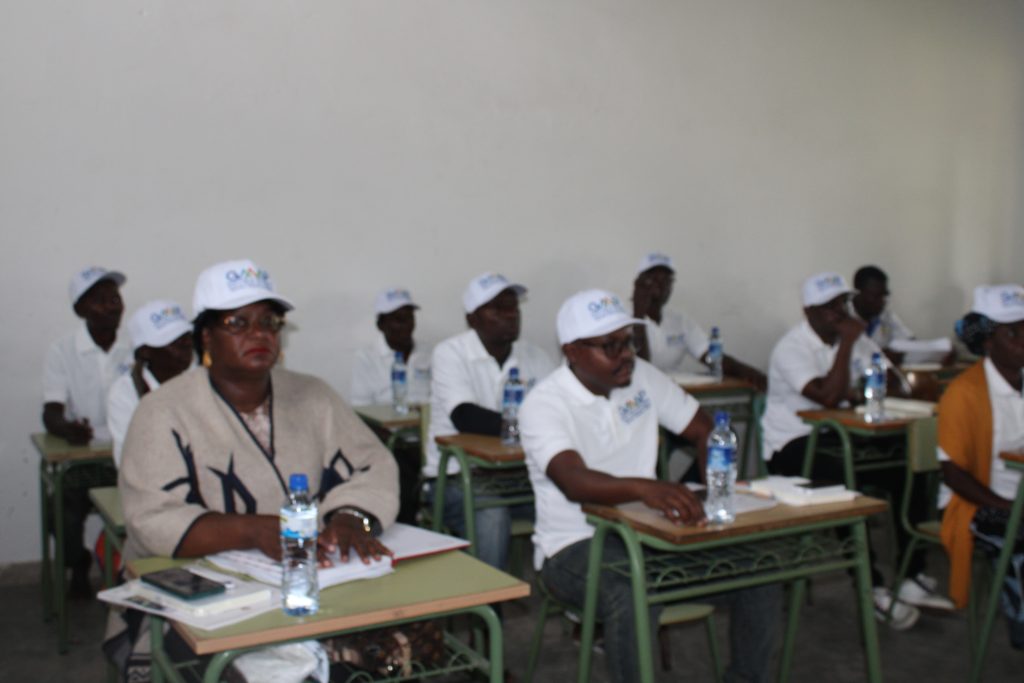
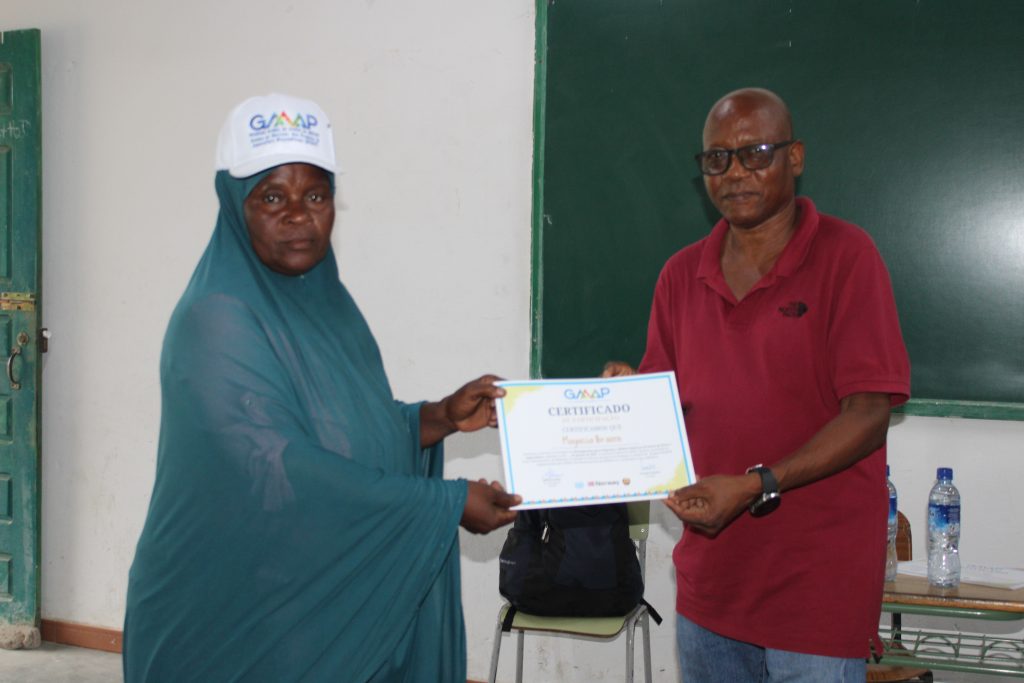
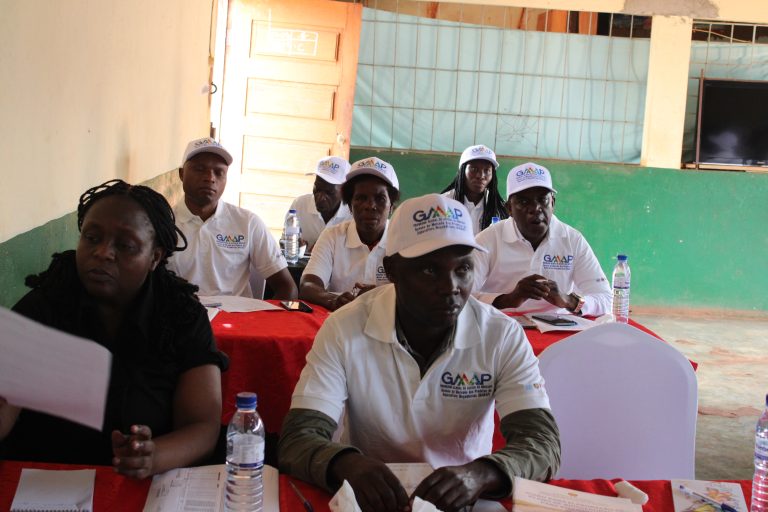
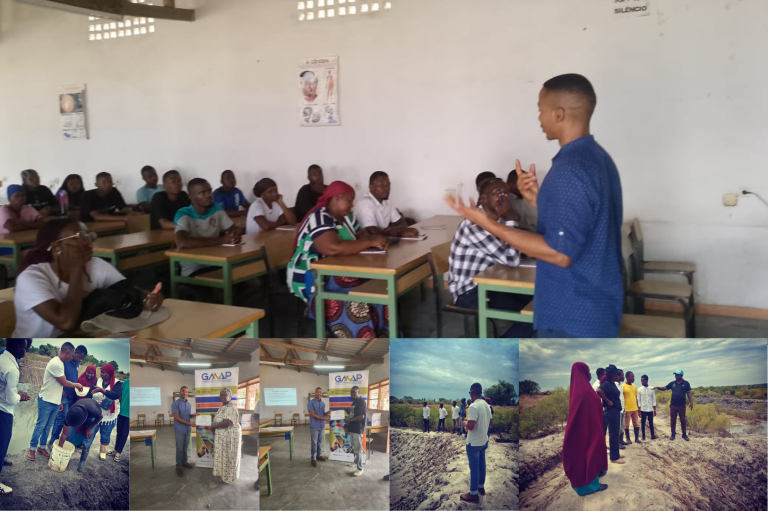
The activity brought together local fish farmers and technicians with the objective of strengthening practical skills in disease prevention, pest control and sanitary management of aquaculture production units, with particular focus on tilapia, shrimp and other farmed species.
During the training, participants deepened their knowledge of key biosecurity measures, including the management of risks associated with birds and other vectors, prevention of water contamination, adoption of good hygiene practices and the implementation of preventive procedures before the occurrence of sanitary outbreaks.
One of the participants stressed that biosecurity is decisive for the sustainability of the activity, noting that “the correct application of these measures allows us to prevent diseases and pests and achieve a more efficient, sustainable and higher-quality production”, adding that biosecurity is “almost the key” to the success of production units.
The session also highlighted the link between biosecurity in aquaculture and human health, reinforcing that healthy production units depend on systematic practices of prevention, planning and continuous monitoring of sanitary risks.
The Nacuxa training session forms part of the second phase of a national series of biosecurity trainings promoted by the MAMAP Project, which aims to support the development of a more resilient aquaculture sector, aligned with sanitary and phytosanitary requirements demanded by regional and international markets.
By strengthening the capacities of producers in Nacala, the initiative directly contributes to improving product quality, reducing losses caused by diseases and pests, and enhancing the competitiveness of Mozambique’s aquaculture sector, in line with the Aquaculture Development Strategy 2020–2030.
Comments and conversation