


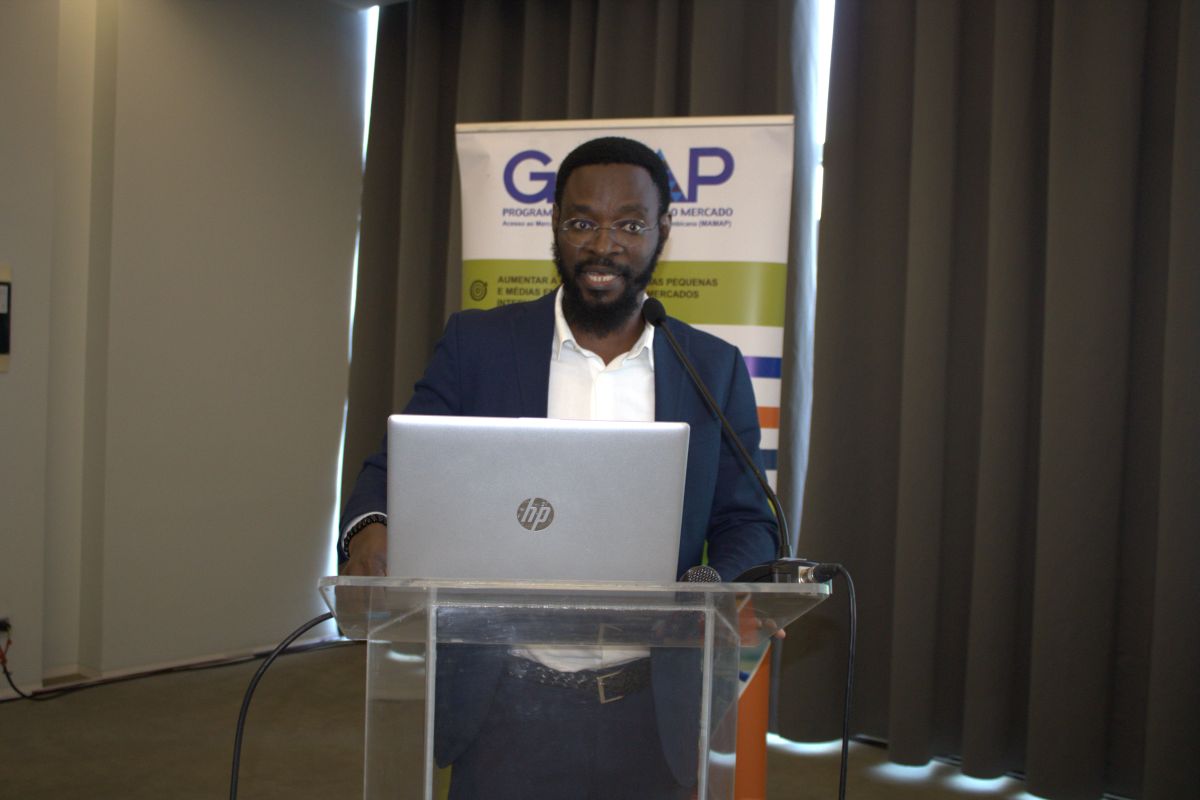
Producer organisation is essential for improving market access. Under MAMAP, AMPCM presented its experience in promoting the cooperative model and transforming groups and associations into cooperatives linked to fisheries and aquaculture.
Cooperatives help address one of the main challenges faced by small producers: fragmentation. Producing alone makes it harder to buy inputs, transport products, negotiate with buyers, meet quality requirements and access finance. When producers organise, they gain scale, share costs and approach the market in a more structured way.
The presentation showed that cooperativism is not only a social form of organisation. It is also an economic model. Unlike a purely philanthropic association, a cooperative combines social objectives with commercial activity, allowing members to take part in production, joint sales, management, governance and the building of shared assets.
Under MAMAP, the process included group diagnosis, training, constituent assemblies, election of governing bodies and support for legal registration. The experience showed that prior training, coordination with local institutions, use of accessible language and continued follow-up are essential for cooperatives to function beyond their creation.
The supported cooperatives strengthened governance, formalisation and capacity to access market and financing opportunities. They also demonstrated the model’s potential for inclusion, with strong participation of women in the supported groups.
The main lesson is clear: quality without organisation does not, by itself, generate market access. For small producers to enter more demanding value chains, good practices must be combined with formalisation, governance, finance and joint selling.
Watch the full video