Mozambique has a strong fishing tradition and major potential to develop aquaculture. However, fish quality can be lost quickly when products are poorly handled, transported or processed. For this reason, MAMAP supported the development of a practical manual on fish handling and processing for artisanal fisheries and aquaculture.
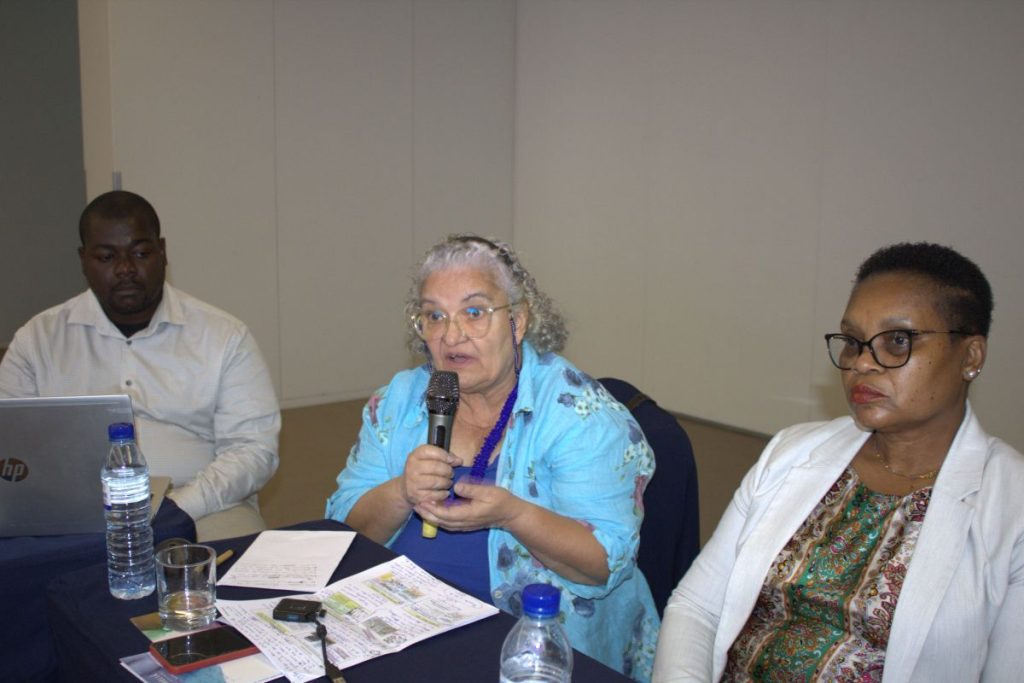
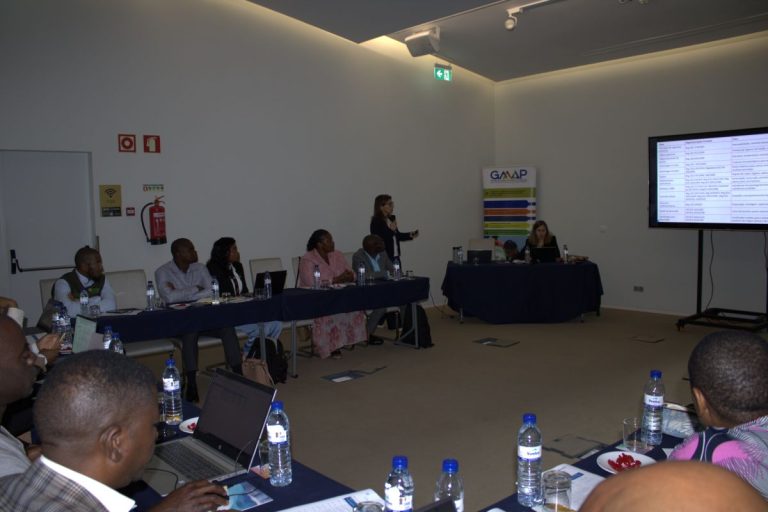
The presentation was built around a very direct message: well-handled fish means money; poorly handled fish means loss of money. This message is particularly important for communities facing challenges related to water, sanitation, electricity, ice, transport and infrastructure. Even under these conditions, simple practices can protect quality and increase product value.
The manual explains that fish from capture fisheries and fish from aquaculture must follow the same good-practice rules. Fish taken from a backyard pond should not be placed on the ground simply because it was produced close to home. It undergoes similar changes to fish captured from the sea, rivers or lakes, and must be handled with hygiene, speed and temperature control.
Three principles run through the entire material: time, temperature and hygiene. Fish should not be exposed to direct sunlight; utensils must be clean; hands must be washed; ice must be protected from contamination; and pests must be controlled. Where ice is not available, the manual presents simple cooling alternatives, including wet coverings, shade and appropriate local materials.
The presentation also covered salting, drying, smoking, refrigeration, value-added products, use of by-products, circular economy and waste reduction. The objective is to make better use of fish, generate more income and protect the environment.
By valuing local knowledge and combining it with good practices, the manual supports extension workers, processors, traders and producers in improving the quality of fish that reaches consumers.
Watch the full video
Comments and conversation