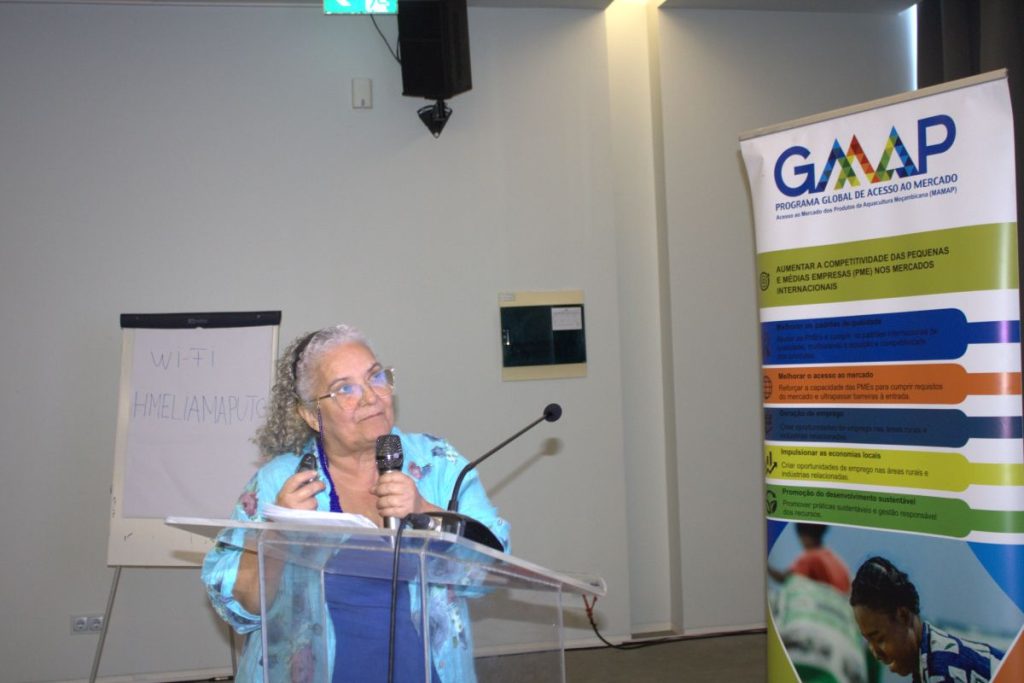
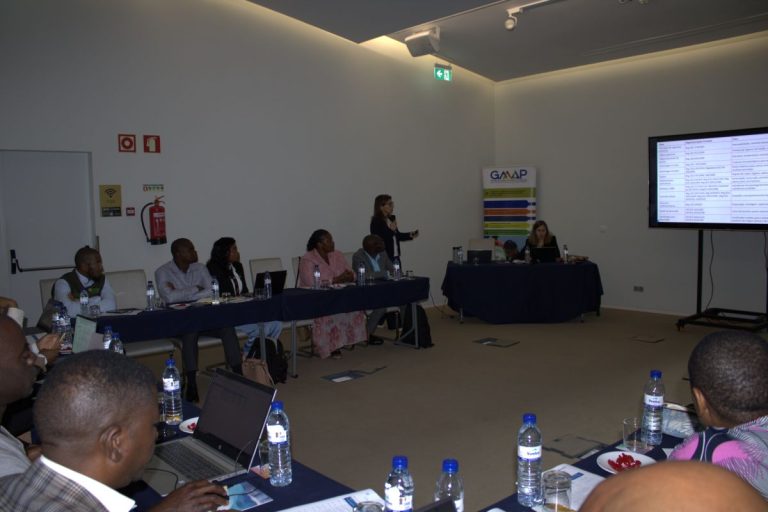
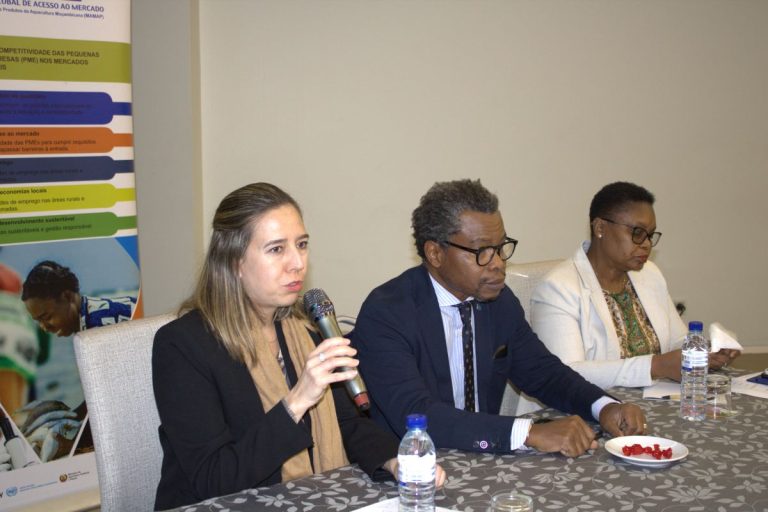
Fishing is work. Business is knowing how to sell the product of that work. This was one of the strongest messages from the presentation on business-management tools for artisanal fisheries and tilapia aquaculture, developed under MAMAP.
The manual was designed for a very specific reality: communities where many businesses are informal, where computers, electricity and formal management tools are not always available, but where there is experience, productive capacity and a strong desire to improve household income. For this reason, the material is simple, visual, practical and adapted to the work of extension officers.
The extension officer plays a central role. He or she can help producers transform an idea into an opportunity by asking simple questions: what product do you want to sell? Who will buy it? Is there demand? What quality is required? How much does it cost to produce? How much can you sell? Are there risks linked to rain, floods, transport or lack of ice?
The presentation showed that a business plan does not need to start as a complex document. For small businesses, it can begin with a cash sheet, a simple record of money in and out, cost and sales calculations, margins and a monthly cash-flow plan. What matters most is that producers understand whether they are making a profit or a loss, and what decisions can improve performance.
The manual also addresses informality, gradual legalisation, micro and small enterprises, fish quality, buyer relationships and risk management. By bringing business language closer to local realities, MAMAP helps fishing and aquaculture communities plan better, sell better and build more sustainable businesses.
The future of artisanal fisheries and aquaculture depends not only on producing more, but also on organising, calculating, preventing risks, negotiating and selling quality products.
Watch the full video
Comments and conversation