
On the third day of the training organized by UNIDO and INIP, the focus of the 20 fisheries inspectors turned to the future of the sector: prevention. The sessions on Wednesday, July 23, addressed proactive strategies to prevent disease outbreaks and the foundations for ensuring environmentally sustainable aquaculture in Mozambique.
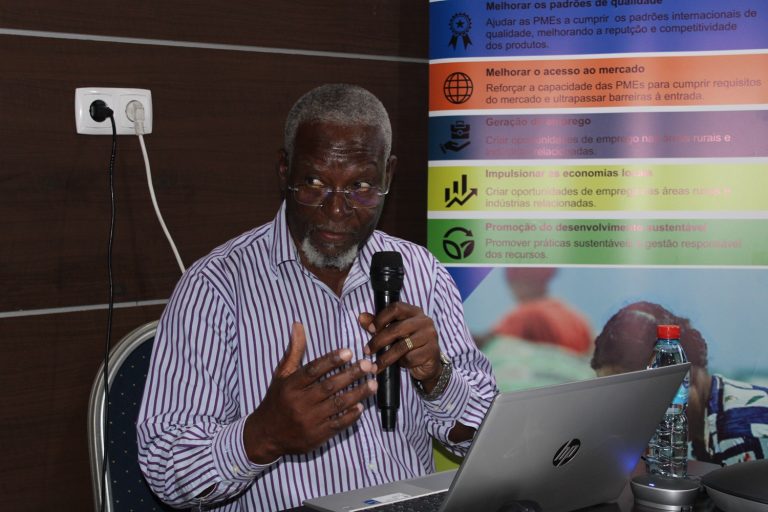
The morning was devoted entirely to Module 4: Prevention and Control of Aquatic Animal Diseases. Trainer Manecas Baloi guided participants through topics such as good health management practices and the role of immunoprophylaxis—or vaccination—in modern aquaculture. The discussion focused on how inspectors can promote a prevention mindset among producers, reducing the need for treatments and increasing the resilience of farms.
Watch part of the video presentation of module 4 here
In the afternoon, the training moved on to Module 5: Sustainability and Environmental Impact of Aquaculture Activity. The discussion focused on the environmental impact of the activity and strategies for sustainable aquaculture, linking animal health to ecosystem health. This topic is central to UNIDO’s mission to promote industrial development that safeguards the environment.
Watch part of the Module 5 presentation video here
Today, July 24, marks the final day of training with the continuation of the module on sustainability, which will address microbial resistance, and Module 6, focused on health management inspection activities. The event will close with the presentation of certificates to participants by INIP Director Lúcia Santos and Project Coordinator José Ariscado.
Comments and conversation