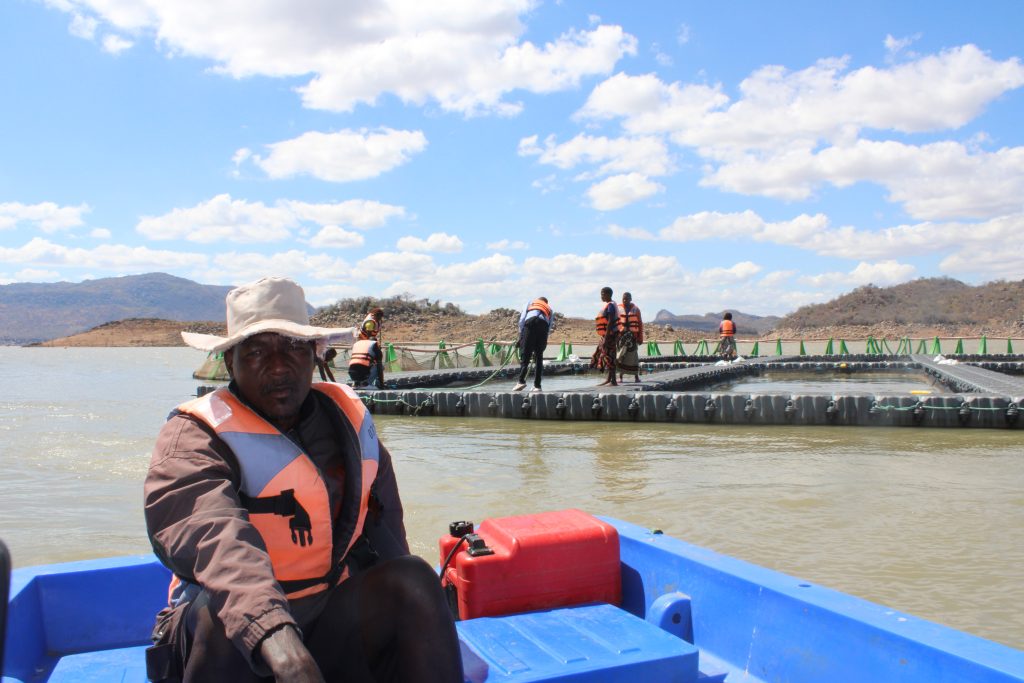
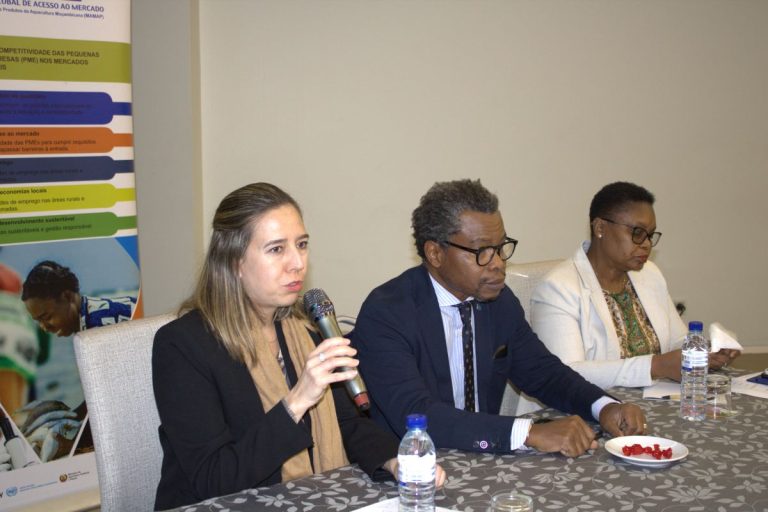
Chicoa Fish Farm, located in the Cahora Bassa reservoir in Tete province, has begun implementing the Hazard Analysis and Critical Control Points (HACCP) system. The initiative is the result of a collaboration with the United Nations Industrial Development Organization (UNIDO), through the Mozambican Aquaculture Market Access Project (MAMAP), and is funded by the Norwegian Agency for Development Cooperation (Norad).
As the largest employer in the region, Chicoa Fish Farm deals with the operational challenges of large-scale production, where logistics and the safety of the final product are priorities. The goal of implementing HACCP is to ensure the quality and food safety of its products, aligning processes with international standards.
HACCP is a preventive system focused on identifying, assessing, and controlling food safety hazards. Its application is intended to ensure that the food produced by Chicoa Fish Farm is safe for the end consumer.
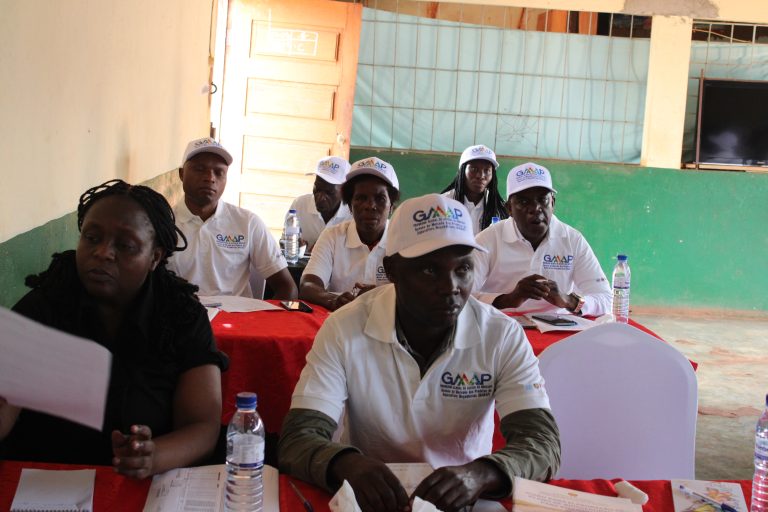
As part of the process, company employees received training on food hygiene and safety prerequisites and procedures. One of the participants said that the training helped him to “design good hygiene protocols” and understand “the chain production process.”
The implementation resulted in direct changes to daily routines. In the processing room, for example, clothing rules were reinforced, including the mandatory use of gowns, caps, masks, and boots.
With this measure, Chicoa Fish Farm trains its team and aligns its production processes with international food safety standards. The aim is to ensure that its product, in addition to being high quality, is safe for consumption.
Watch the full video here:

Comments and conversation