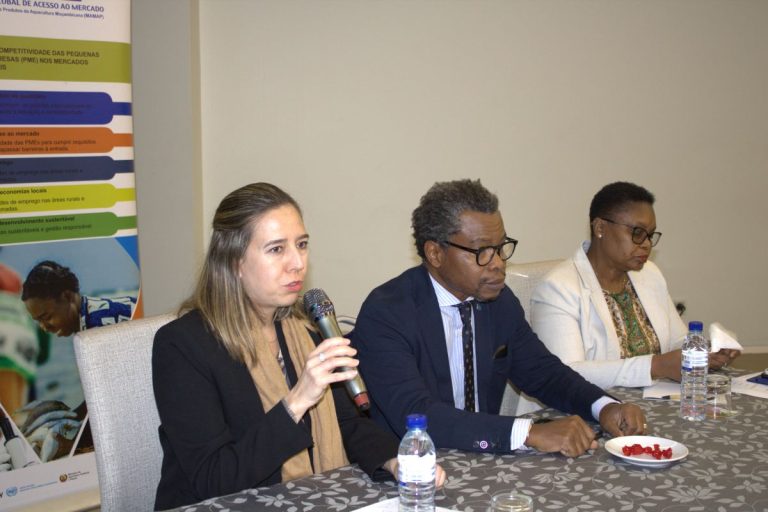
The MAMAP Project, implemented by UNIDO and funded by Norad, continues to advance its mission of strengthening aquaculture in Mozambique by promoting technical capacity-building, improving product quality, and expanding market access for Small and Medium Enterprises (SMEs) in the sector. In a strategic meeting with the Mozambican Aquaculture Association (AMAQUA), key action plans, challenges, and priorities for the sustainable development of aquaculture in the country were discussed.
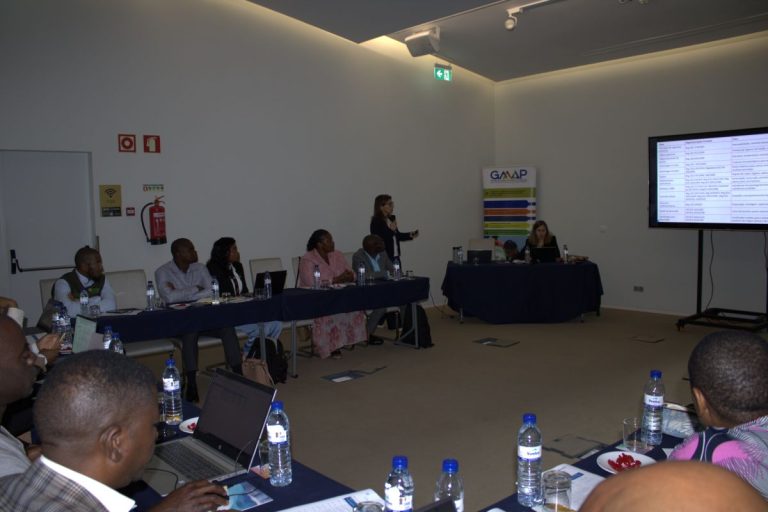
The meeting focused on aligning support strategies for the aquaculture sector, including training for producers, access to international certifications, and improvements in quality control infrastructure. One of the main topics was the need for efficient logistical planning for MAMAP activities, ensuring that technical training, field missions, and workshops take place within a realistic and impactful schedule.
During the discussion, the importance of integrating MAMAP’s initiatives with the real needs of aquaculture producers represented by AMAQUA was emphasized, reinforcing technical support for SMEs to meet market requirements and enhance competitiveness. Additionally, collaboration between the project and the association will be essential in identifying the challenges faced by producers and proposing concrete solutions to boost sustainable production and market access.
Another crucial point raised during the meeting was the need for synergy between MAMAP and other national and international initiatives, such as the World Aquaculture Society (WAS) and AFRAQ, where Mozambique has played an active role in sharing experiences and best practices with other countries. This cooperation could facilitate the adoption of innovative technologies and improve the regulatory environment for aquaculture in the country.
With the strengthened partnership between MAMAP and AMAQUA, Mozambique continues to build a more competitive, sustainable aquaculture sector aligned with international standards, ensuring better market opportunities and growth for local producers.
Comments and conversation