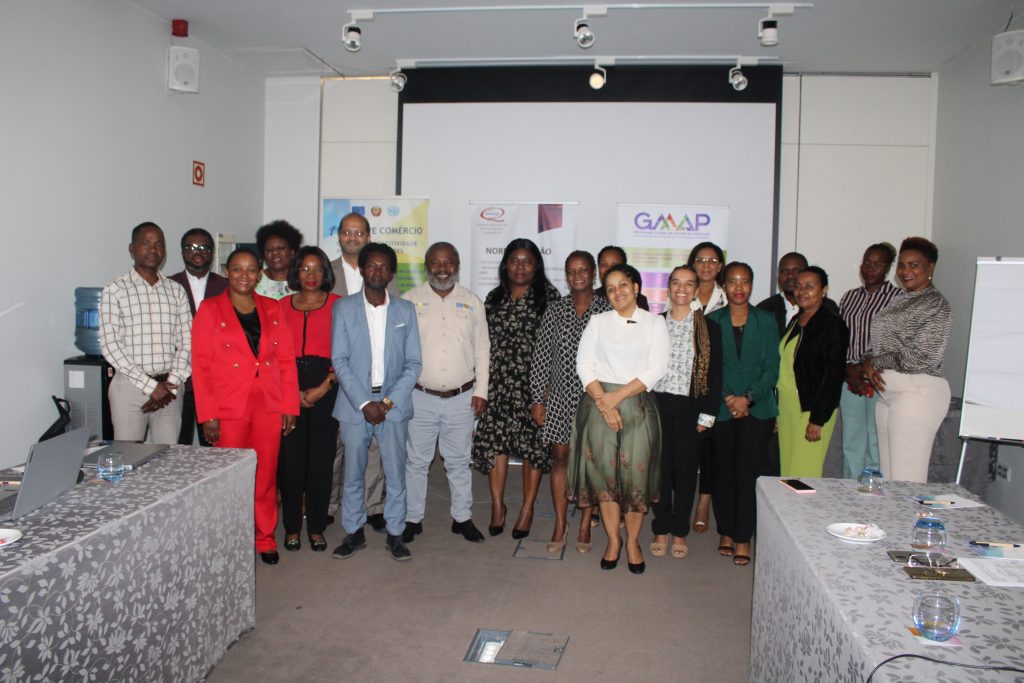
Maputo, 21 April 2025 – The National Institute for Standardization and Quality (INNOQ, IP), in partnership with the MAMAP Project and in synergy with the PROMOVE Comércio Project, held a national workshop in Maputo to disseminate the recently approved Mozambican standards for the fisheries and aquaculture sector. The initiative was technically supported by the United Nations Industrial Development Organization (UNIDO) and funded by the European Union.
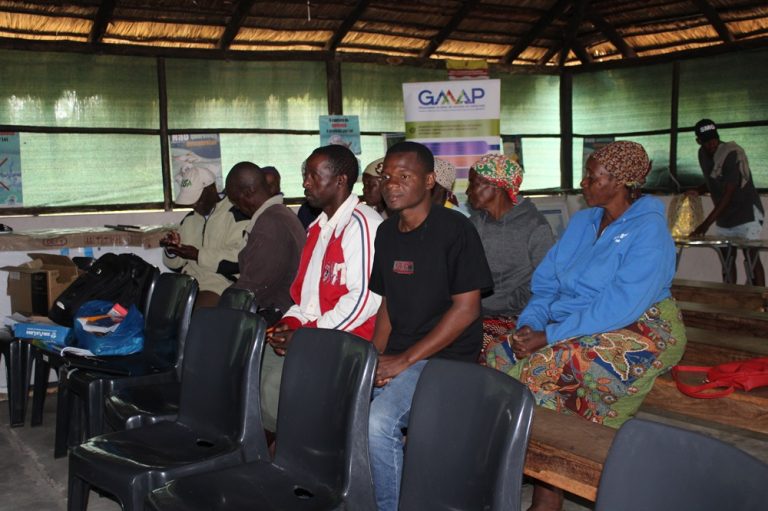
The event brought together government representatives, academic institutions, sector operators, and members of Technical Standardization Committees (CTNs), with the aim of strengthening technical knowledge and promoting alignment with national and international quality requirements.
During the workshop, several standards with direct impact on the aquaculture value chain were presented, namely:
- NM 1274:2024 – Quality assessment of tilapia fingerlings;
- NM 1275:2024 – Quality standard for tilapia feed;
- NM 101:2024 – Code of ethical conduct for international food trade (revised version);
- NM ISO 18537:2024, 16741:2024, and 12877:2024 – Set of standards on traceability of crustaceans and fish along distribution chains.
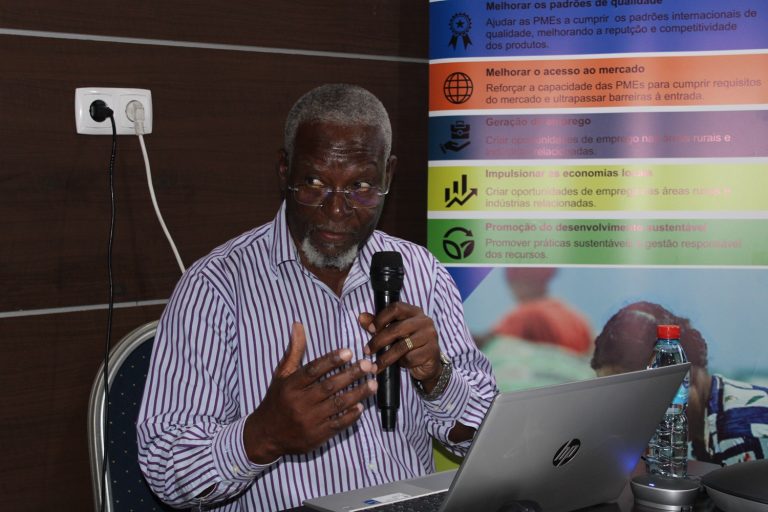
Technical presentations were delivered by experts from INNOQ and partner institutions such as Eduardo Mondlane University (UEM), the National Fish Inspection Institute (INIP), SIP, and the Oceanographic Institute of Mozambique (InOM). The presentations highlighted the criteria for quality assessment, certification procedures, and requirements for the circulation of fingerlings and other aquaculture products.
The event also featured a debate session, where participants shared experiences and challenges in the practical implementation of the standards, emphasizing the need for continuous training and effective monitoring.
In the closing session, the PROMOVE Comércio National Coordinator reiterated the role of standards in adding value to Mozambican products and promoting sustainable exports. The Director of the Standardization Division at INNOQ, Alcinda Duvane, reaffirmed the institution’s commitment to continuously developing relevant and applicable standards that promote quality and competitiveness in the sector.
This workshop is part of the broader actions of the GMAP Project and its partners to enhance market access for Mozambican products through the strengthening of the country’s quality infrastructure.


Comments and conversation