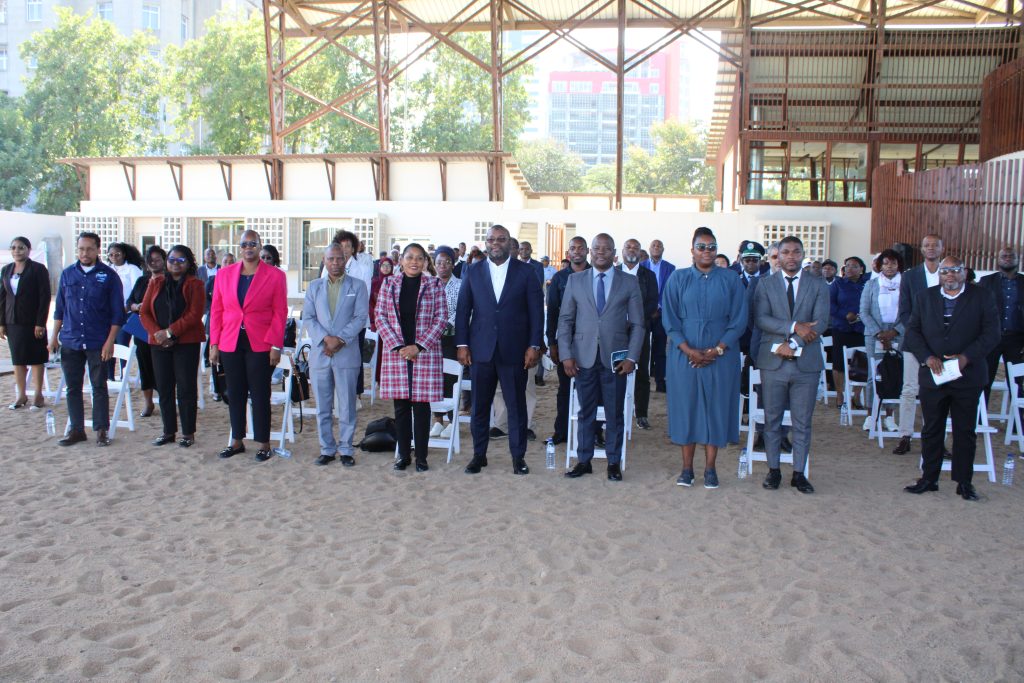
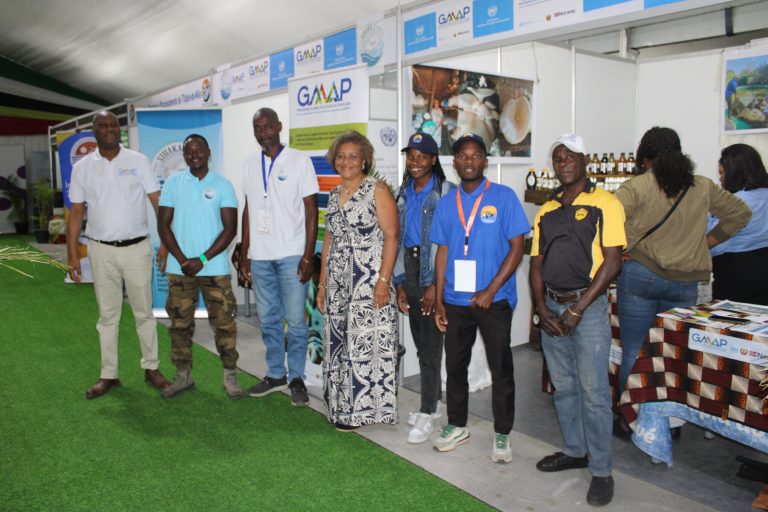
Maputo, June 6, 2025 – The Ministry of Agriculture, Environment, and Fisheries (MAAP), through the National Directorate for Maritime Affairs, celebrated World Oceans Day today, June 6, which is officially celebrated on June 8, at a central ceremony held at the Sea Museum, under the global theme “Catalyzing Action for Our Ocean and Climate.”
The event highlighted the vital importance of the oceans for life on the planet and reinforced the urgency of integrated action to combat the threats affecting this ecosystem — such as marine pollution, climate change, and unsustainable exploitation of resources.
Key moments in the program included:
- The review of the National Fisheries Policy;
- The presentation of the Blue Economy Development Strategy (EDEA);
- The proposal to expand the National Network of Marine Conservation Areas (ACMs);
- And the launch of the results of the Blue Economy Satellite Account (CSEA-Pilot), with the symbolic delivery of the brochure to the Secretary of State for the Sea and Fisheries.
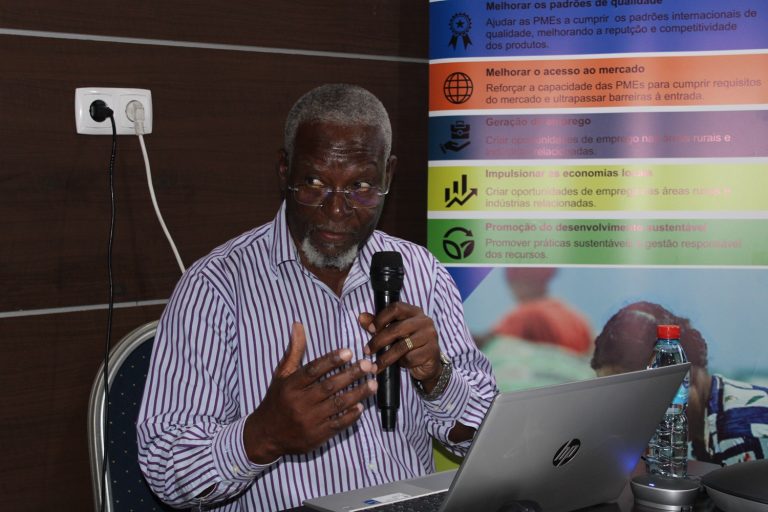
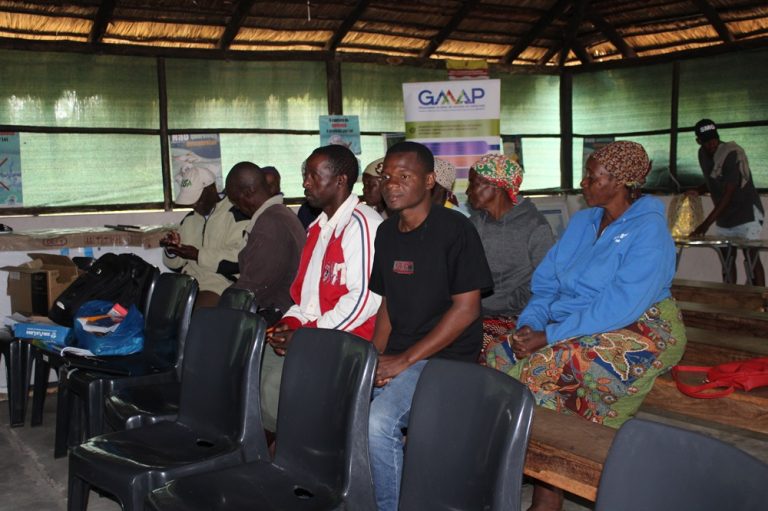
The event had the visible support of the Mozambican Aquaculture Market Access Project (MAMAP), funded by Norad and implemented by UNIDO, which contributed capulanas, caps, a banner, and a themed roll-up, reinforcing the visual identity of the celebration and promoting the engagement of local communities.
MAMAP plays a central role in strengthening the aquaculture sector in Mozambique, supporting small and medium-sized enterprises (SMEs) to meet international quality standards, such as those of ISO, improving competitiveness, access to international markets, and rural job creation. With a focus on sustainable practices, the project also promotes responsible management of marine resources, the development of local economies, and poverty reduction.
A National Commitment to the Oceans
Mozambique, with a coastline of around 2,700 km, has invested in strategic policies and instruments for sustainable marine governance, such as the Maritime Spatial Planning Plan (POEM), the Maritime Law, and specific strategies for coral reefs, mangroves, and coastal areas.


Comments and conversation