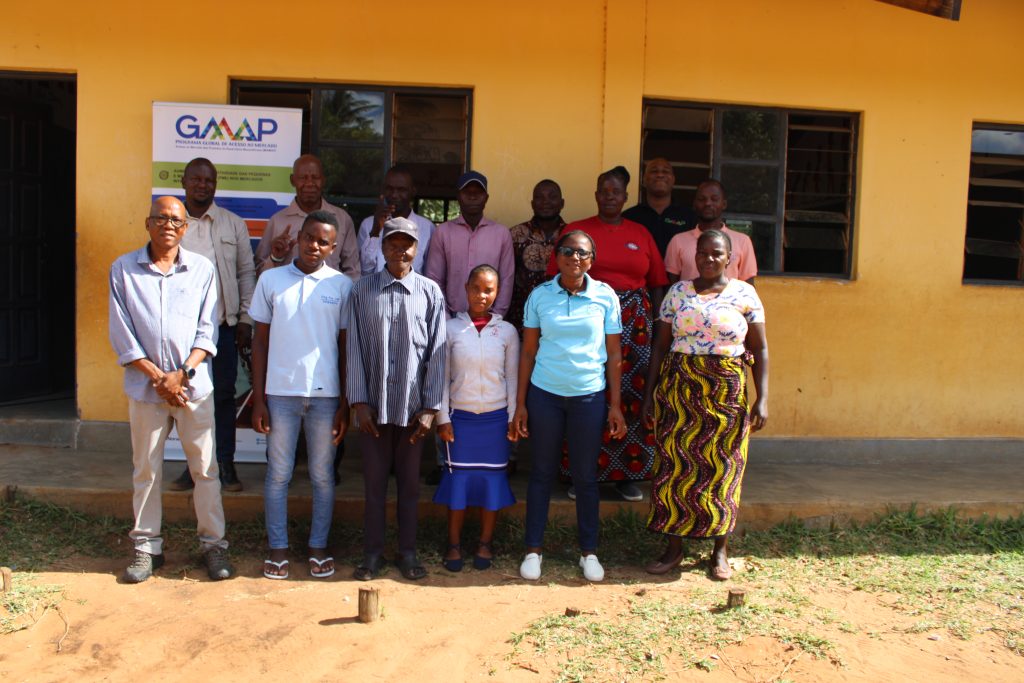
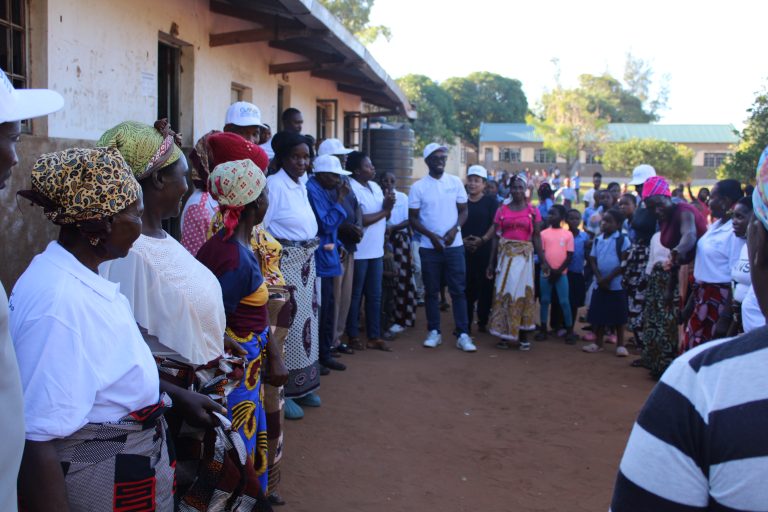
Maxixe, May 16, 2025 – The city of Maxixe, in Inhambane, hosted the last day of the regional training cycle on biosecurity in aquaculture on Friday, promoted by the MAMAP Project, implemented by UNIDO and funded by NORAD. The event took place at Block 6, one of the most important production units in the region, bringing together dozens of fish farmers, technicians, and members of local associations.
“Biosecurity is not a word to be feared. It means prevention. It means doing simple things to keep diseases out of our tanks,” explained consultant Vicente Ernesto at the start of the session.
The training was divided into two parts: a theoretical session in the morning and a practical component in the afternoon, with a guided tour of the tanks and a discussion on sanitary barriers and the organization of production areas.
From knowledge to practice: reinforcing prevention
During the morning, topics such as the importance of regular and balanced feeding, the negative impact of using spoiled feed, and the risks associated with a lack of water quality monitoring were discussed. The trainer emphasized that fish, like any other living being, need routine and constant care.
““Fish don’t have Sundays or holidays. If you don’t feed them today, they will lose weight tomorrow,” warned Vicente, eliciting smiles and reflections from the group.
Participants shared common concerns about limited access to quality feed, high input costs, and mortality associated with improper handling of fingerlings, which reinforced the importance of training.

Block 6 as an example of emerging best practices
In the afternoon, participants were guided through the tanks in Block 6, where they discussed practical biosecurity solutions, such as:
- Installation of physical barriers (plastic around the tanks) to prevent crabs from entering;
- Use of nylon threads over the ponds to ward off predatory birds;
- Organization of production blocks with signage, disinfection zones, and waste control.
“Here in Block 6, we have a total of 81 tanks, 42 of which are in this unit. We had already implemented some of these measures, but it is always good to improve,” said one of the local managers.
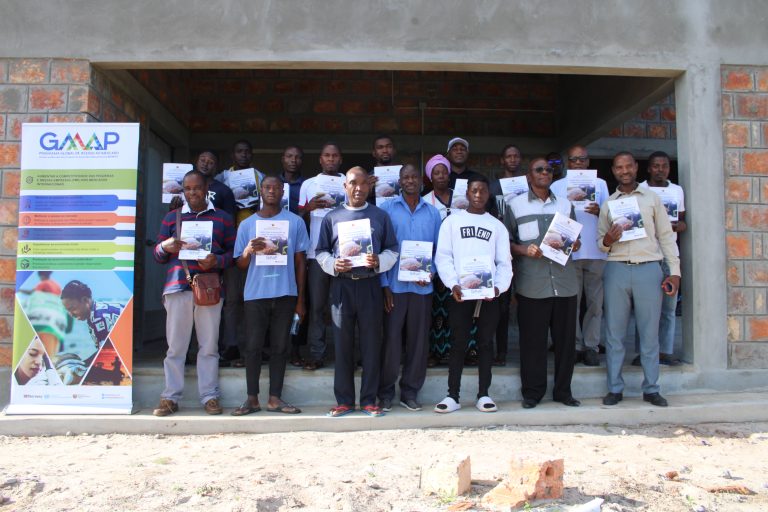
In addition, each participant received a copy of the Fish Farming Biosafety Manual, developed by INIP with technical support from UNIDO, as a reference for implementing good practices in their units.

Closing with a sense of mission accomplished
The Maxixe event concluded the training route through Moamba (Maputo), Chókwè (Gaza), Quissico (Zavala) and Maxixe. The 2026 report documents 69 participations in this first regional phase.
“We didn’t learn everything today, but we took away basic tools to change a lot of things,” shared one participant at the closing ceremony.
With this initiative, the MAMAP Project reaffirms its commitment to strengthening local capacities, promoting safer, more organized, and sustainable aquaculture for all.

Comments and conversation