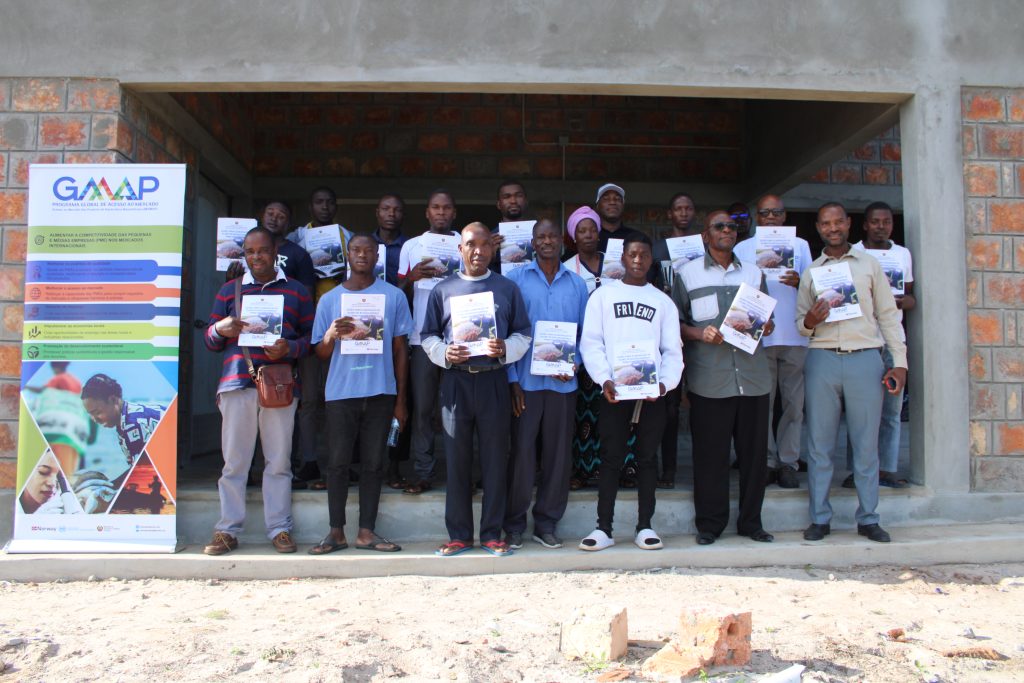
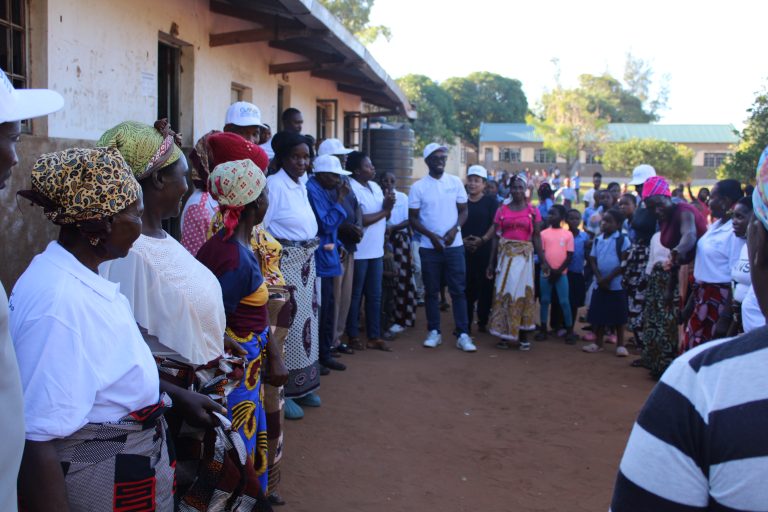
Quissico, May 15, 2025 – In the village of Quissico, Zavala district, fish farmers and members of community associations enthusiastically participated in a training session that could mark a new chapter for local aquaculture. The initiative, promoted under the MAMAP Project, implemented by UNIDO with funding from NORAD, brought essential knowledge on biosecurity in aquaculture to small and medium-sized producers in the region.
The event, which is part of a cycle of regional training sessions, addressed key issues for preventing disease outbreaks in fish production systems, promoting good sanitary practices, and strengthening the sustainability of aquaculture farms.
Knowledge born of reality
At the beginning of the training, consultant Vicente Ernesto emphasized that biosecurity is not just a technical concept, but a daily practice that can protect lives, investments, and food.
“It all starts with small gestures: washing your hands before entering, ensuring that the fry are of good quality, avoiding overcrowding in the tanks… That’s what biosecurity is all about: prevention,” he explained.
During the listening session, fish farmers shared their most recurring challenges: scarcity and high cost of feed, poor quality of fingerlings supplied, mortality associated with poor transport conditions and inadequate quarantine, and lack of control over tank stocking.
“Our biggest concern is feed. When it is available, it is expensive. And even the fry we receive do not always grow well,” commented a local producer.
Another participant reported situations of overcrowding that cause stress in fish, leading to injuries and increasing the risk of contamination.
Biosafety plan: from theory to practice
The training included a practical session where participants were challenged to apply the concepts discussed. From the creation of footbaths to the organization of the flow of people and materials entering and leaving the premises, everything was designed with a focus on the local reality.
“Here in Quissico, for example, there is a space for the production of fingerlings. This requires specific care: those who bring the eggs must stop at a point, disinfect their feet, wash their hands, and only then deliver the material,” explained Vicente, while guiding participants in developing a simple biosafety plan for their units.
The use of exclusive clothing for those who work directly with fish was also discussed, as well as the need to signpost spaces and organize Personal Protective Equipment (PPE).
Tools for continued learning
Each participant received a copy of the Fish Farming Biosafety Manual, produced by INIP with technical support from UNIDO, as a practical reference for applying and adapting the measures to their context.
“It was an intense but productive day. You can’t learn everything in a few hours, but we left with essential tools and the desire to apply them,” summarized a fish farmer at the end of the session.
Next steps
The training cycle now moves on to Maxixe, where the focus will continue to be on strengthening local capacities, preventing health risks, and protecting aquaculture productivity in Mozambique.
With these initiatives, the MAMAP Project reaffirms its commitment to the sustainable development of aquaculture, providing producers not only with manuals, but also with knowledge, autonomy, and confidence to overcome the challenges facing the sector.



Comments and conversation