Skip to content

MAMAP · Mozambique · 2022–2026

Quality that
opens markets.

Stronger institutions. Better organised producers. Lasting knowledge for Mozambican aquaculture.

2022–2026 supporting aquaculture · September 2026

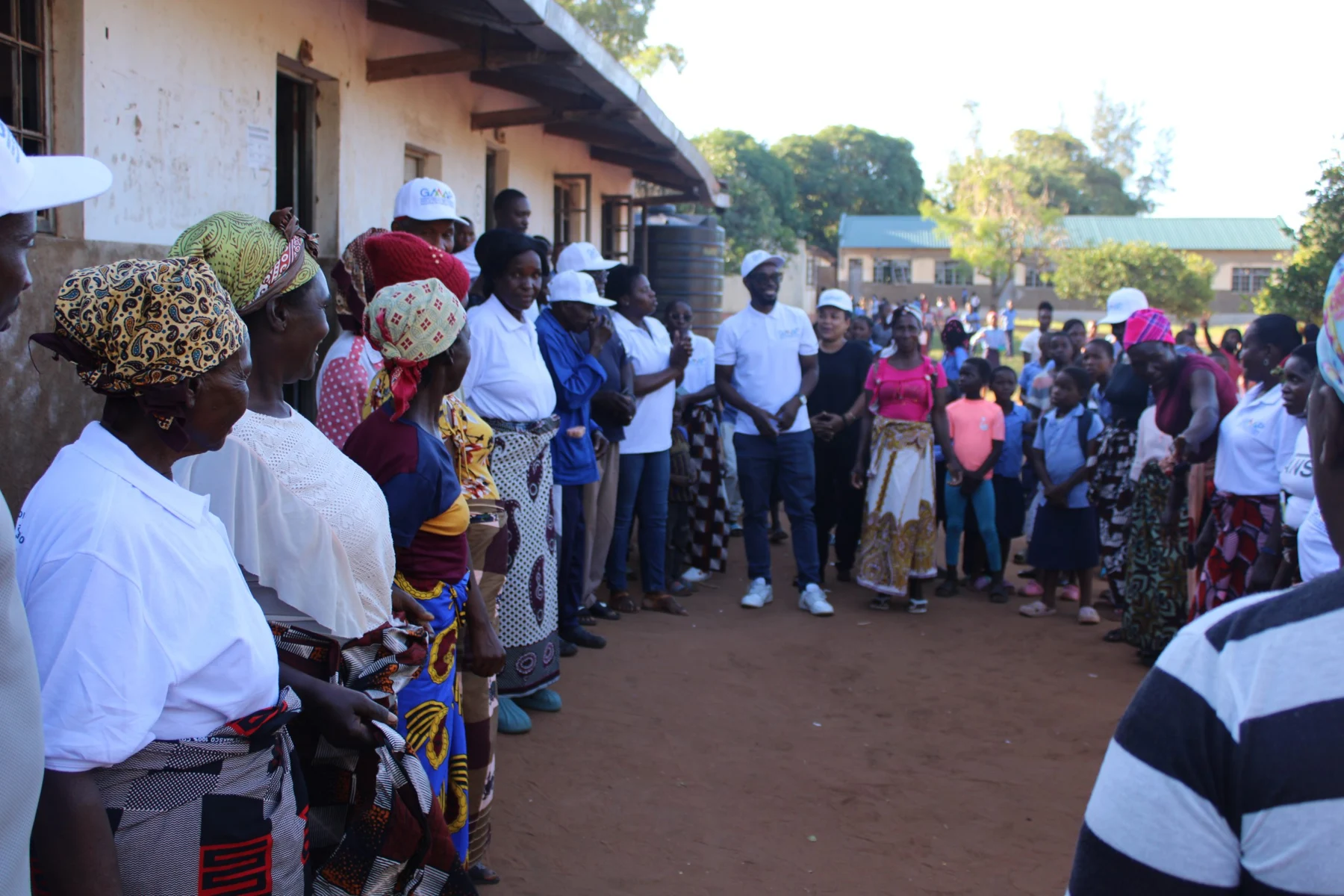
Cooperative members and project team gathered in Mozambique
98members · 4 cooperatives
Aquaculture cooperative formalisation · GMAP archive, 2025
6
national standards developed or revised and published
7
laboratories covered by the diagnostic assessment
17
enterprises selected for technical assistance
443+
documented participations in training and dissemination

Three pillars, one purpose

Building trust across the value chain.

MAMAP connected institutional capacity, enterprise compliance and a culture of quality to support market access.

01

Institutions and quality

Strengthening the services that support safe and trusted aquaculture products.

  • 6 national standards published, against a target of 2, in synergy with PROMOVE Comércio.
  • Capacity assessment of 7 laboratories.
  • Support to LIP in Beira: a substation and water supply.
02

Enterprises and cooperatives

Supporting producer organisation, good practices and readiness for market requirements.

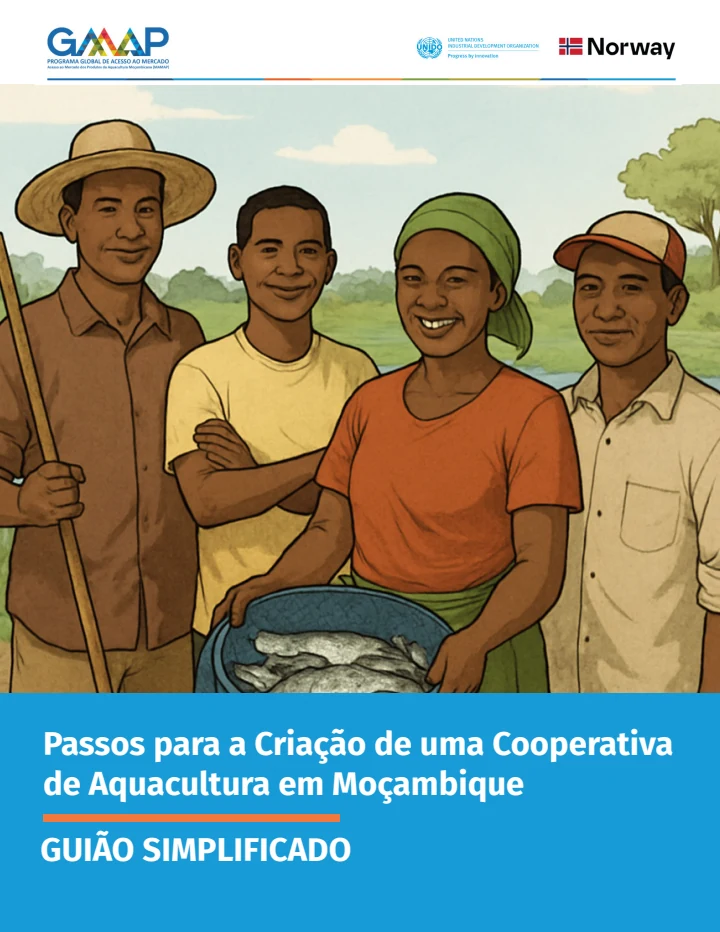
  • 4 legally established cooperatives; 98 members.
  • 17 enterprises selected for technical assistance.
  • 3 enterprises received advanced HACCP support.

03

Knowledge and inclusion

Leaving practical tools, skills and a foundation for greater participation by women.

  • At least 28 documented sessions and activities.
  • 10 technical videos for producers and operators.
  • Gender strategy validated and submitted for approval.

Source: MAMAP report, executive summary and sections 4.1–4.3. Participations do not necessarily represent unique people.

Cabo DelgadoNampulaNiassaGazaInhambaneManicaMaputoSofalaTeteZambézia

Teal: local interventions · Grey: national reach

On the ground

One country. Many stories of change.

Choose a province to explore the activities, people and knowledge connected to each location.

Maputo

From organising Mahanhane fish farmers to mussel mariculture in Santa Maria, work in Maputo connects production, quality and markets. The city also hosted events with a national reach.

Explore this province’s collection ↓

Illustrative map. Maputo City and Province appear together in this source. geoBoundaries / OpenStreetMap, ODbL (2017).

Maputo

Cooperatives, biosecurity and institutional cooperation

  • Boane and Matutuíne: establishment of the Mahanhane and Santa Maria cooperatives, documented in the 2026 report.
  • Moamba: practical biosecurity training, farm visits and prevention measures.
  • Marracuene: work on OCIP rules and producer participation at FACIM 2025.
  • Maputo City: INIP inspector training, gender strategy validation and value-chain analysis.

Includes Maputo Province and Maputo City, shown together in this map source.

News and activities16
Videos from the area12
Documents and tools to use11

Summary: September 2026 MAMAP report and publications above. General guidance documents support work throughout the country.

Gaza

Producer organisation and prevention on the ground

  • Association assessments in Xai-Xai, Limpopo, Chibuto, Macia and Chongoene in 2024.
  • Chongoene: cooperative training in May 2025 and publication of CPBV statutes.
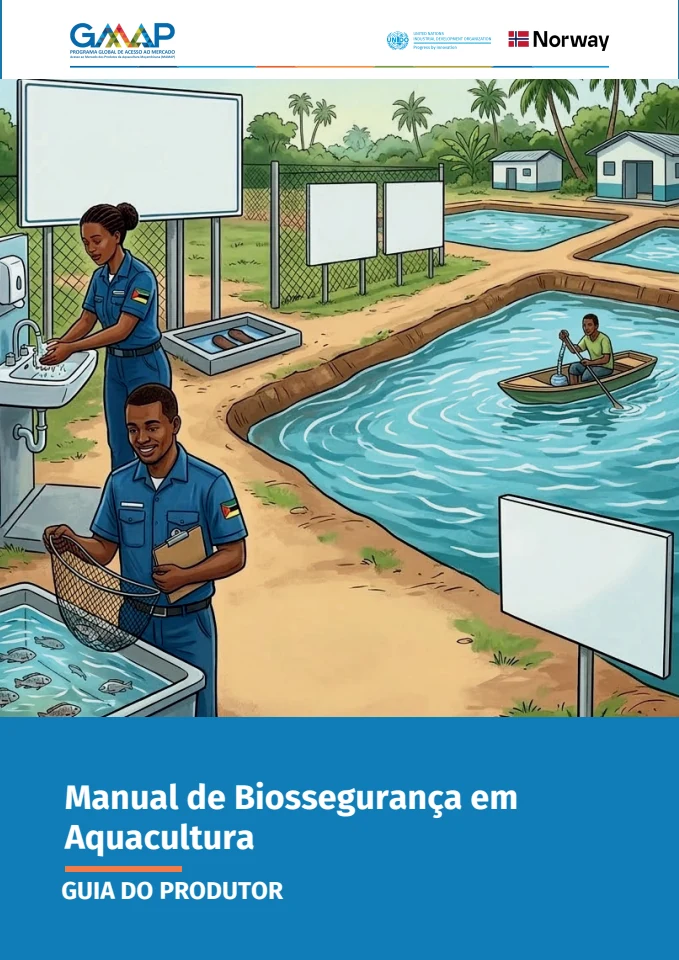
  • Chókwè: practical biosecurity training at Papá Pesca.
  • Gaza enterprises included in the technical support reported in May 2025.
News and activities6
Videos from the area2
Documents and tools to use6

Summary: September 2026 MAMAP report and publications above. General guidance documents support work throughout the country.

Inhambane

Cooperatives and good production practices

  • Assessment of six fish-farming associations and groups, including locations in Zavala, Inharrime and Maxixe.
  • Inharrime: cooperative training and establishment of Coopinhar.
  • Quissico and Maxixe: biosecurity sessions, demonstrations and farm visits.
  • Support to aquaculture enterprises in the province to improve good practices.
News and activities9
Videos from the area2
Documents and tools to use5

Summary: September 2026 MAMAP report and publications above. General guidance documents support work throughout the country.

Niassa

Biosecurity for fish farmers in Majune

  • Training in Majune on 26 January 2026, at the start of the northern and central cycle.
  • Disease prevention, pond care and management of pathogen-entry risks.
  • Technicians and participants share the challenges of local fish farming.
News and activities2
Videos from the area1
Documents and tools to use4

Summary: September 2026 MAMAP report and publications above. General guidance documents support work throughout the country.

Nampula

Training producers and educators

  • Mártir Cipriano Polytechnic Institute: training for 14 trainers, 17–21 November 2025, according to the article published at the time.
  • Nacuxa, Nacala: biosecurity session on 28 January 2026.
  • Water quality, feed, disease prevention and pond protection feature in shared experiences.
News and activities3
Videos from the area2
Documents and tools to use4

Summary: September 2026 MAMAP report and publications above. General guidance documents support work throughout the country.

Sofala

Laboratory services, enterprises and biosecurity

  • Beira: support for the LIP transformer substation and water supply, according to the 2026 report.
  • Sofala included in the 2026 expansion of biosecurity training.
  • Enterprises in the province supported on good practices and readiness for HACCP requirements.
News and activities2
Documents and tools to use3

Summary: September 2026 MAMAP report and publications above. General guidance documents support work throughout the country.

Manica

Extending prevention in aquaculture

  • Province included in the cycle announced for 2–6 February 2026.
  • The 2026 report confirms expansion to Manica, Sofala, Tete, Niassa and Nampula. The five provinces totalled 96 participations; the report provides no provincial breakdown.
News and activities1
Documents and tools to use4

Summary: September 2026 MAMAP report and publications above. General guidance documents support work throughout the country.

Tete

Food safety and market access

  • Chicoa Fish Farm, Cahora Bassa: HACCP implementation documented in 2025; independent INNOQ certification in June 2026, according to the report.
  • Early support for Residue Monitoring Plan sampling procedures in Tete.
  • Province included in the 2026 expansion of biosecurity capacity building.
News and activities5
Videos from the area2
Documents and tools to use4

Summary: September 2026 MAMAP report and publications above. General guidance documents support work throughout the country.

Zambézia

Knowledge with national reach

  • The 2023 IDEPA business-planning training brought together officers from every province.
  • The report includes this province among possible areas for expansion in a future project phase.
Documents and tools to use3

Summary: September 2026 MAMAP report and publications above. General guidance documents support work throughout the country.

Cabo Delgado

Knowledge with national reach

  • The 2023 IDEPA business-planning training brought together officers from every province.
  • The report includes this province among possible areas for expansion in a future project phase.
Documents and tools to use3

Summary: September 2026 MAMAP report and publications above. General guidance documents support work throughout the country.

Results in context

People at the centre of change.

Women and men organising production and building their knowledge for safer aquaculture.

Cooperatives: a base of 98 members

Membership of the four legally established cooperatives.

49 women

49 men

Source: MAMAP report, section 4.2.2.

Biosecurity: 165 participations

Two capacity-building phases, with wider geographic reach in 2026.

First phase · south69
Second phase · five provinces96
38 participations by women127 by men

Source: MAMAP report, section 4.2.2. These are participations, not unique individuals.

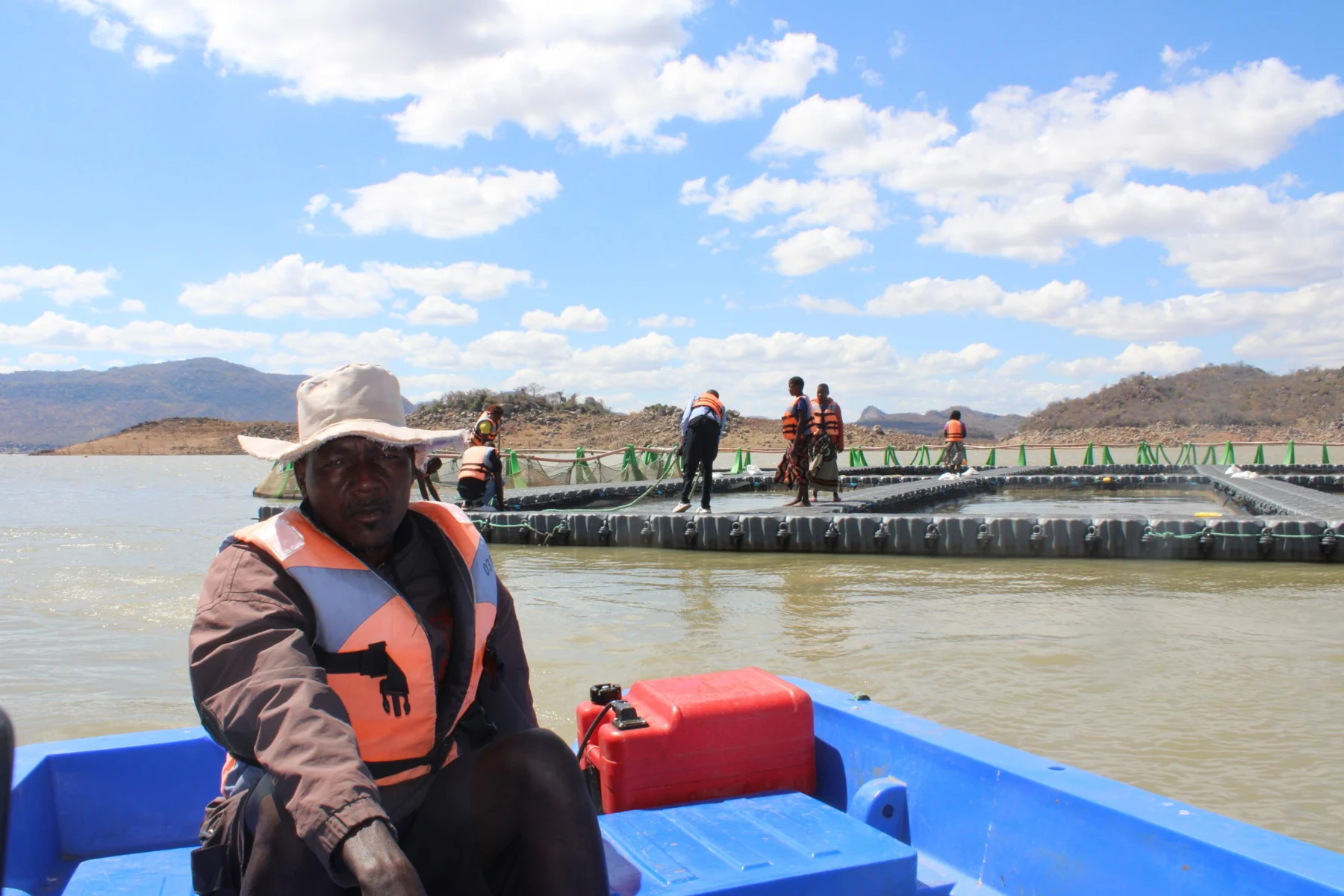
Team activity at Chicoa Fish Farm

Compliance in practice

Chicoa Fish Farm: from implementation to HACCP certification.

The project provided advanced HACCP implementation support to three enterprises. Chicoa Fish Farm obtained independent certification from INNOQ in June 2026, according to the report.

A milestone in the company’s work to strengthen food safety and meet market requirements.

Explore the journey ↗

Source: report, section 4.2.3. Photograph: GMAP archive.

2022 → 2026

A journey that leaves lasting capacity.

From institutional preparation to tools for producers, technicians and enterprises.

2022

Project begins

Launch of MAMAP under the Global Market Access Programme.

2024

Preparation and assistance

Work with institutions, enterprises and producers to strengthen quality infrastructure and compliance.

2025

Standards and organisation

Publication of six standards; cooperative formalisation and gender strategy validation.

2026

Consolidating results

Wider biosecurity outreach, Chicoa HACCP certification and completion of the technical video package.

The project in two minutes

Results in motion.

Discover how MAMAP supported producers, enterprises and institutions, and explore its lasting contribution to aquaculture in Mozambique.

Portuguese · English subtitles Download video ↓

Knowledge to carry forward

Tools that remain available to the sector.

Manuals, strategies, standards and videos brought together for reference and practical use.

Project resource library

29 documentary resources, searchable by topic and format.

Explore the library ↗

Videos to learn and explore the project

48 videos: practical guidance, training, personal stories and MAMAP events.

Watch the videos ↗
About the data and sources

This page summarises the MAMAP report prepared for the September 2026 Technical Committee. The indicators present results documented throughout the project.

  • Members: 98 people across four cooperatives. Training counts participations, which may include the same person in more than one activity.
  • Enterprises: 17 selected for support; three receiving advanced HACCP assistance; one independent certification identified in the report.
  • The gender strategy was validated and submitted for formal approval.
  • The library total describes resources available here; it is not an official count of all project deliverables.
Back to top ↑